15 Best Electric Cars in India Under 15 Lakh (2026): BaaS vs. Full Ownership


.png&w=3840&q=75)
Are you searching for the cheapest EV cars in India 2026? With petrol prices fluctuating and new government incentives under FAME-III (and the PM E-DRIVE scheme), the shift to green mobility has never been more affordable.
Finding the right options for ev cars under 15 lakhs has never been easier as major automakers introduce budget-friendly alternatives to the Indian market. If you are shopping for a reliable ev under 15 lakhs, current generation models combine strong battery life, modern cabin tech, and robust safety ratings. Exploring the available lineup of electric cars under 15 lakhs allows you to transition to clean mobility while keeping your household budget completely intact.
In 2026, the biggest disruption isn't just the cars—it's Battery-as-a-Service (BaaS). This model has slashed the upfront cost of electric cars by up to 30%, making SUVs like the Tata Punch EV cheaper to buy than many petrol hatchbacks.
In this guide, we break down the top 15 electric vehicles under ₹15 Lakh from Tata, MG, and Citroen to help you decide which one fits your lifestyle.
|
SR. NO |
Variants Name |
Ex-Showroom Price |
|
1 |
₹6.49 Lakh | |
|
2 |
₹9.69 Lakh | |
|
3 |
₹10.29 Lakh | |
|
4 |
₹10.89 Lakh | |
|
5 |
₹11.59 Lakh | |
|
6 |
₹12.29 Lakh | |
|
7 |
₹12.59 Lakh | |
|
8 |
₹7.99 Lakh | |
|
9 |
₹9.29 Lakh | |
|
10 |
₹12.49 Lakh | |
|
11 |
₹14.54 Lakh | |
|
12 |
₹6.99 lakh | |
|
13 |
₹12.65 lakh | |
|
14 |
₹13.99 lakh | |
|
15 |
₹11.50 lakh |
When comparing vehicle specifications, finding the best ev car under 15 lakhs depends on whether you prefer a compact urban layout or a spacious family SUV. Reviewing top-rated options among best ev cars under 15 lakhs alongside the best electric car under 15 lakhs helps you evaluate real-world range, charging speeds, and BaaS ownership models. Furthermore, checking the ev cars under 15 lakhs on road price alongside general ev cars in india under 15 lakhs gives you a clear understanding of regional registration fees and local subsidies before making a purchase.
1. Tata Motors : The Value-for-Money Leader
Tata Motors remains the most trusted name in the budget EV segment, offering the widest range of variants to suit different "range requirements."
Tata Punch EV (The Best All-Rounder)
The Punch EV is currently India's highest-rated micro-SUV for safety and tech.
-
Tata Punch EV BaaS (₹6.49 Lakh) : Keyword: Most affordable electric SUV. By separating the battery cost, you pay a lower entry price and a usage fee of approx. ₹2.6/km.
-
30 kWh Smart Variants (₹9.69 L – ₹10.29 L) : Best for 100% city use with a real-world range of ~220 km.
-
40 kWh Long Range Variants (₹10.89 L – ₹12.59 L) : Includes the Empowered Plus (top-end). These are the best EVs for highway travel under 15 lakh, offering a 350 km+ range and faster DC charging.
Tata Tiago & Tigor EV (City Commuters)
-
Tata Tiago EV (₹7.99 L – ₹9.29 L) : The best first electric car for urban families. Compact, zippy, and very low maintenance.
-
Tata Tigor EV XE (₹12.49 Lakh) : The only sedan in this list. Ideal if you need a dedicated boot for airport runs or luggage.
The Premium Pick
-
Tata Nexon EV Creative+ MR (₹14.54 Lakh) : A 5-star GNCAP safety-rated SUV that offers the most premium cabin experience in this price bracket.
2. MG Motor: The Tech & Innovation Hub
MG has pioneered the BaaS pricing model in India, focusing on users who want "Software-Defined Vehicles" (SDVs).
-
MG Comet EV (₹6.99 Lakh) : Keyword: Cheapest EV in India. Perfect for tight parking and daily office commutes. It’s a "gadget on wheels" with dual 10.25-inch screens.
-
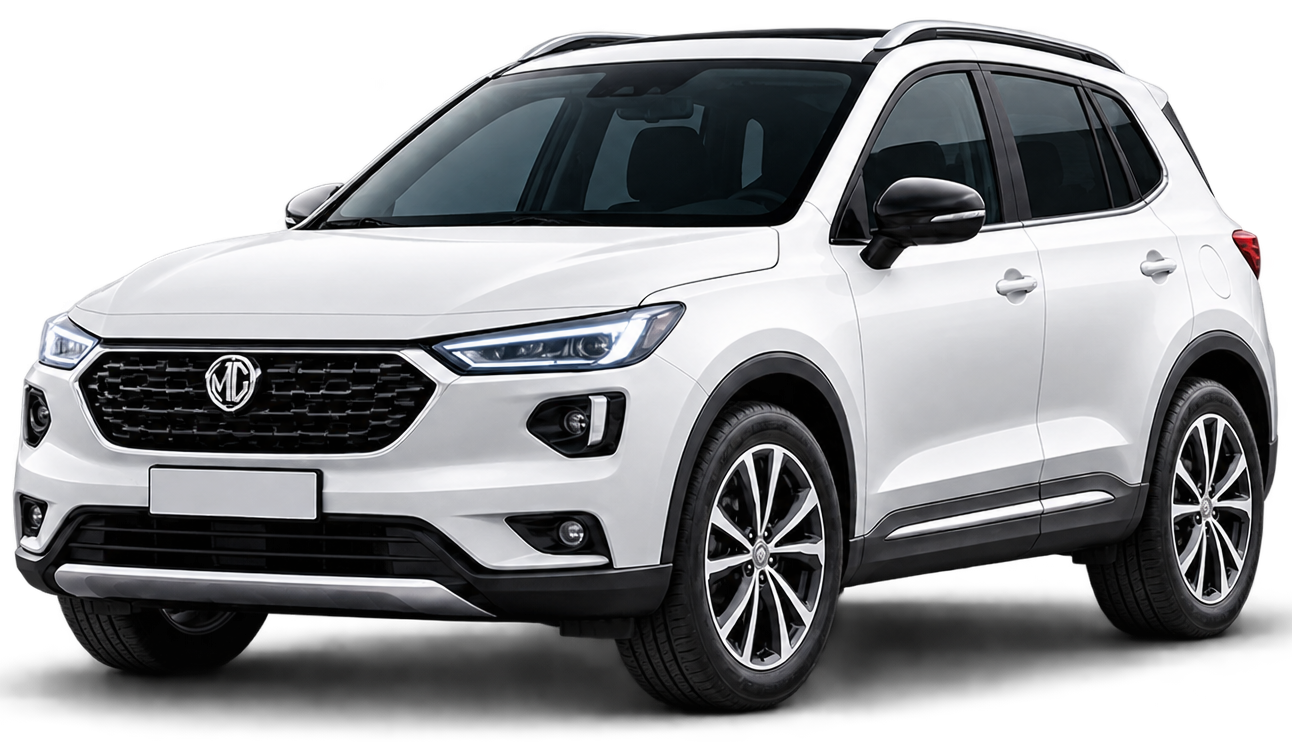
MG Windsor EV (₹12.65 L – ₹13.99 L) : The Windsor Inspire and Excite variants offer "Business Class" seating. With a 38 kWh battery, it’s designed for those who prioritize rear-seat comfort and premium aesthetics.
3. Citroen: The Comfort Specialist
-
Citroen eC3 Live (₹11.50 Lakh) : Keyword: Best electric car for bad roads. Citroën's "Advanced Comfort" suspension makes it the most comfortable hatchback for city driving, soaking up potholes better than any competitor.
Buyer’s Strategy : BaaS vs Outright Purchase
|
Feature |
Battery-as-a-Service (BaaS) |
Outright Purchase (Standard) |
|
Upfront Cost |
Extremely Low (Start at ₹6.49L) |
Higher (Start at ₹7.99L) |
|
Running Cost |
Rental Fee + Electricity |
Electricity Only (~₹1/km) |
|
Best For |
Low Down-payment buyers |
High-mileage drivers (1500km+/mo) |
|
Battery Risk |
Manufacturer Owned |
User Owned |
Ultimately, choosing from the affordable ev cars in india or selecting the best ev cars in india under 15 lakhs transforms everyday urban commuting by completely eliminating heavy fuel expenses. Whether you choose a versatile ev car under 1 lakh alternative or other top-tier options, investing in modern affordable electric vehicles guarantees long-term financial savings and sustainable travel.
Frequently Asked Questions
Q.1Which is the absolute cheapest electric car in India in 2026?
Q.2How does the BaaS (Battery-as-a-Service) model work?
Q.3Is there still a government subsidy for EVs in 2026?
Q.4 How much does it cost to charge an EV at home monthly?
Q.5Can I charge my EV using a regular 15A home socket?
Q.6What is the real-world range of these "budget" EVs?
Q.7 What happens if my EV battery dies after the warranty?
Q.8Are EVs safe to drive in Indian monsoons and floods?
Q.9 Which is better: Tata Punch EV or MG Windsor EV?
Q.10Do I need a special license to drive an EV?
Looking to buy an EV?
Compare, explore and find the perfect electric vehicle for you.
Explore EVs