India Electric Car Sales July 2026: Tata Crosses 12.5k Units While Market Competes for Growth


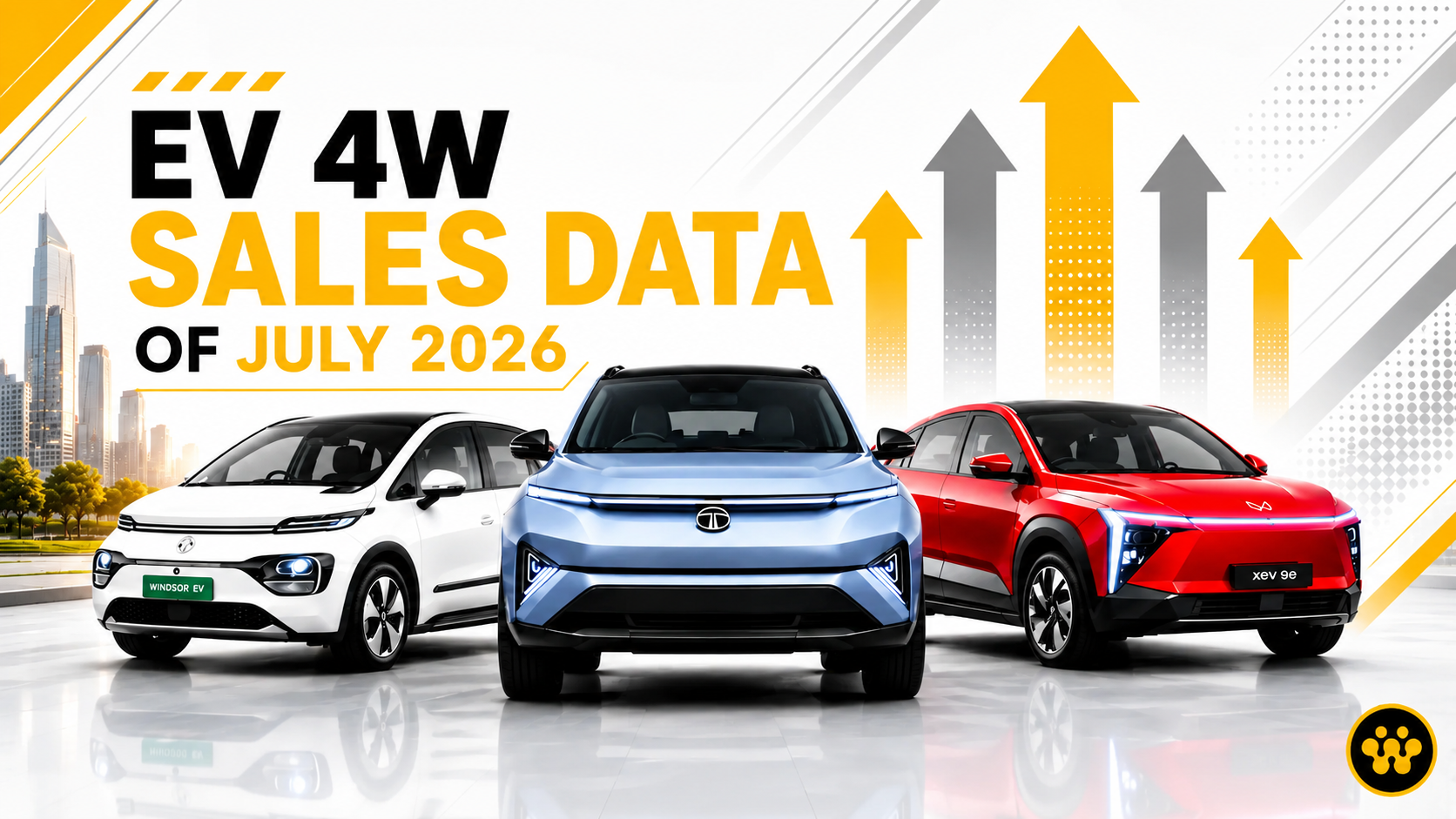
The electric four-wheeler market in India is witnessing an incredible transformation as eco-friendly mobility shifts from a niche choice to a mainstream preference for modern families and daily commuters. As we look at the sales performance for July 2026, the Indian electric car sector demonstrates steady maturity, driven by expanding model lineups, improving charging infrastructure, and rising consumer awareness. While industry pioneer Tata continues to set high benchmarks, other legacy automakers and emerging global entrants are fiercely competing to capture market share.
July 2026 vs. June 2026 Electric Car Sales Overview
Here is a side-by-side comparison of how leading electric four-wheeler manufacturers performed in June and July 2026:
Brand-Wise Performance & Market Analysis
1. Tata.ev
Tata continues its absolute dominance in the Indian electric car segment, further cementing its leadership position. Growing from 12,045 units in June to an impressive 12,584 units in July, Tata.ev proves that its diverse portfolio—ranging from affordable hatchbacks to modern electric SUVs—continues to resonate deeply with Indian car buyers looking for trusted reliability and extensive service support.
2. Mahindra Electric
Mahindra holds its strong second position in the market, recording 7,203 units in July compared to 7,648 units in June. While experiencing a slight adjustment of about 5.8%, Mahindra remains a major powerhouse in the electric SUV space. Their bold design language and performance-focused electric vehicles continue to attract robust interest from SUV enthusiasts.
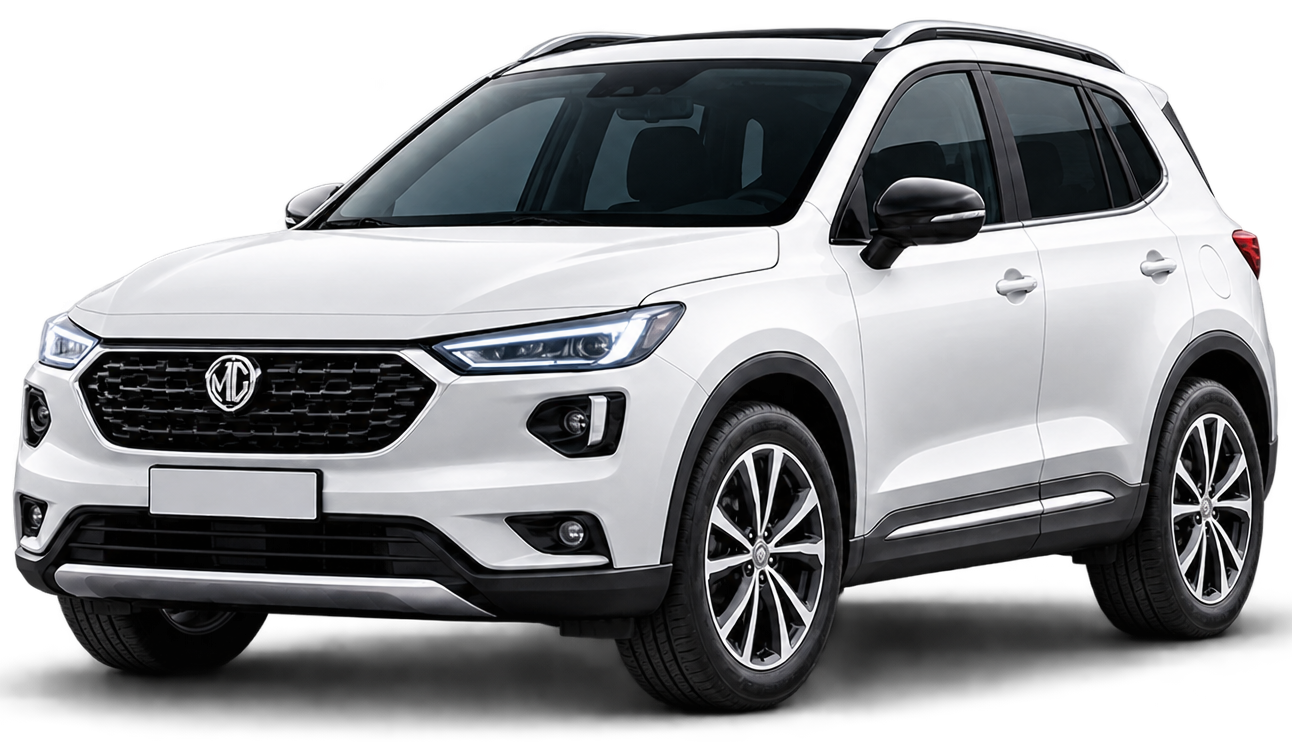
3. MG Motor
MG Motor registered 5,219 units in July, following a strong June performance of 5,789 units. Although seeing a minor dip of roughly 9.8%, MG remains a key pillar in the electric four-wheeler ecosystem, known for offering tech-packed, feature-rich electric vehicles that appeal to urban tech-savvy buyers.
4. Maruti Suzuki
Maruti Suzuki recorded 1,459 units in July, down from 1,896 units in June. As India's largest automotive giant gradually expands its footprint in the clean-mobility space, it continues to fine-tune its market approach to capture the expanding mass-market electric vehicle customer base.
5. VinFast
VinFast displayed positive momentum in July, bucking the downward trend of several competitors by posting 1,418 units compared to 1,394 units in June. The brand's steady climb highlights growing consumer curiosity and acceptance of newer global electric vehicle options entering the Indian automotive landscape.
6. BYD
BYD registered 695 units in July, adjusting from its June figure of 860 units. As a prominent global player focusing on premium electric offerings, BYD continues to cater to a dedicated segment of tech-forward buyers looking for advanced battery tech and luxury features.
Conclusion & Future Outlook
The July 2026 electric car sales numbers reflect a highly competitive, fast-evolving automotive market where manufacturers are continuously innovating to win over buyers. With petrol and diesel prices remaining unpredictable, making the switch to an electric vehicle offers unmatched long-term financial relief. If you have been waiting on the sidelines to upgrade your ride, still you have time to make the smart switch from petrol to EV and save your money. Choosing an electric car today drastically cuts down your monthly fuel and maintenance expenses while contributing to a cleaner, greener environment. The future of Indian driving is electric—make the switch today!
Frequently Asked Questions
Q.1Which brand sold the most electric cars in India in July 2026?
Q.2How did Mahindra Electric perform in July 2026 compared to June?
Q.3Is it a good time to switch from a petrol/diesel car to an electric car?
Looking to buy an EV?
Compare, explore and find the perfect electric vehicle for you.
Explore EVs