Electric 4-Wheeler Sales May 2026: Comprehensive Market Performance Report


The electric four-wheeler segment in India continues to witness significant activity, with the May 2026 registration data highlighting the steady transition towards sustainable mobility. The figures showcase the individual performance and technical rollout capabilities of manufacturers as they expand their electric portfolios and strengthen their nationwide presence.
Note : This sales data is all states excluding Telangana.
May 2026 Electric Four-Wheeler Sales Data
Detailed Manufacturer Analysis
Tata Motors
Registering 10,240 units in May 2026, Tata Motors maintains a substantial volume of deliveries. The brand's focus remains on expanding its dedicated EV architecture and ensuring consistent availability across its diverse range of electric models, catering to varied consumer requirements for range and battery capacity.
Mahindra
Mahindra recorded 6,135 units for the month. The manufacturer is actively scaling up the production of its electric SUV lineup, emphasizing robust battery management systems and high-voltage architectures to deliver reliable technical performance for long-distance commuting.
MG Motor
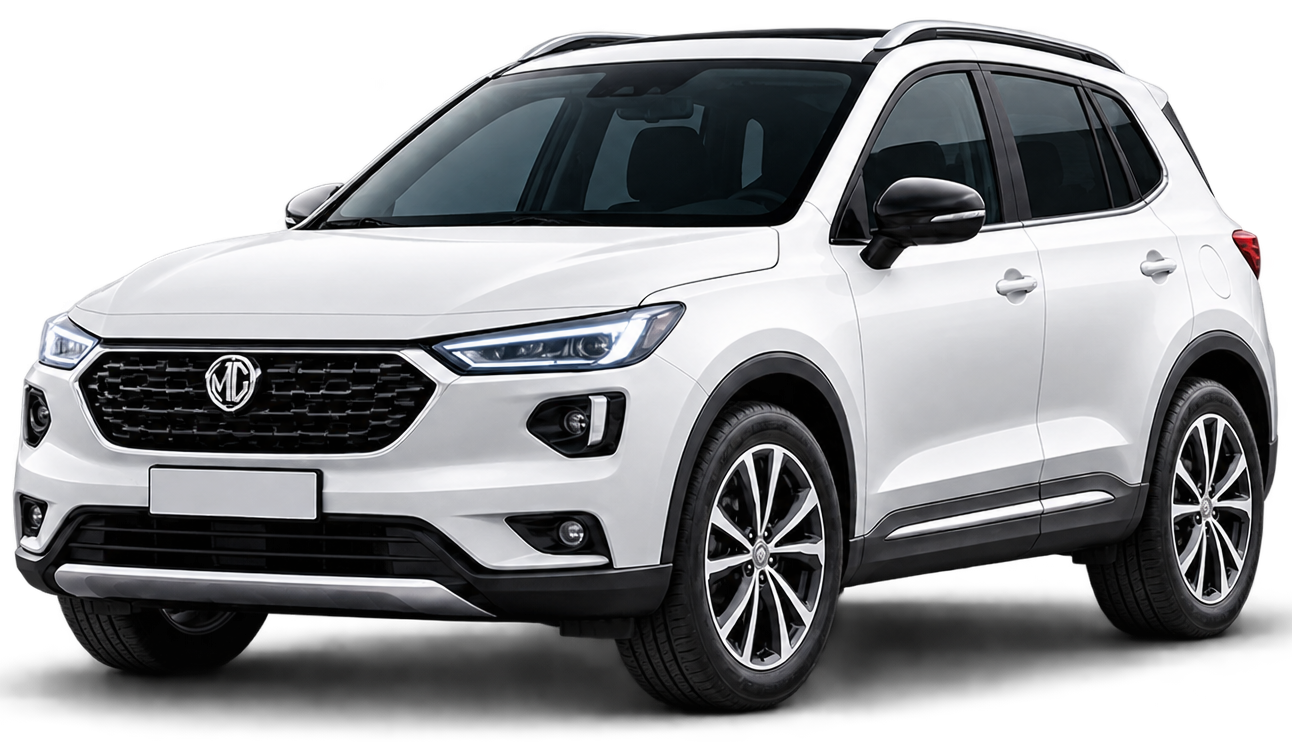
Posting 4,936 units, JSW MG continues to see steady adoption of its electric models. The brand's strategy focuses on integrating advanced connected car features and efficient battery chemistries, supported by ongoing efforts to expand localized manufacturing and infrastructure.
Maruti Suzuki
With 1,577 units delivered, Maruti Suzuki is actively executing the rollout of its electric mobility solutions. The focus is on leveraging localized manufacturing capabilities and its extensive service network to ensure seamless technical support and accessibility for new EV buyers.
VinFast
Registering 1,224 units in May, VinFast Auto is steadily establishing its footprint in the Indian market. The brand is prioritizing the deployment of its global EV platforms, focusing on high-tech safety features and structured battery frameworks to attract early adopters.
BYD
BYD Auto recorded 683 units for the month. The brand continues to focus on the premium segment, highlighting its proprietary Blade Battery technology, which is engineered to offer high thermal stability, enhanced safety, and a long lifecycle for extended driving ranges.
Escaping the Fuel Trap: The Smart Move to Electric 4-Wheelers
As petrol and diesel prices continue their relentless climb, sticking with a traditional combustion engine vehicle is increasingly becoming a financial burden. Beyond the soaring costs at the pump, the daily reality of wasting precious time in long, exhausting queues just to refuel makes the traditional ownership experience highly frustrating. In contrast, making the transition to an electric car represents a permanent escape from this cycle. By charging your vehicle conveniently overnight at home, you not only insulate your monthly budget from volatile fuel hikes but also embrace a safer, technically advanced, and vastly superior driving experience for the future.
Frequently Asked Questions
Q.1Is switching to an electric 4-wheeler a safe choice for the future regarding fire risks?
Q.2How are manufacturers addressing range anxiety for new EV buyers?
Q.3Are waiting periods for electric cars shorter than traditional petrol or diesel SUVs?
Q.4How does the continuous hike in petrol and diesel prices impact the true cost of owning an EV?
Q.5What is the current state of public charging infrastructure for 4-wheelers?
Q.6Do electric 4-wheelers require complex maintenance or frequent service?
Q.7How did top car manufacturers perform in the May 2026 sales charts?
Looking to buy an EV?
Compare, explore and find the perfect electric vehicle for you.
Explore EVs