India EV 4W Sales Surge in March 2026: Why Buyers Rushed to Electric?


.jpg.jpeg&w=3840&q=75)
The Indian electric four wheeler market witnessed an extraordinary sales spike in March 2026. As the fiscal year closes, a "perfect storm" of expiring government subsidies, looming price hikes from major OEMs, and a volatile global geopolitical landscape has pushed thousands of Indian car buyers to ditch internal combustion engines (ICE) for Electric Vehicles (EVs).
March 2026 Brand Performance: The Leaderboard
The total sales for the top five brands reflect a market that is maturing rapidly under pressure.
| Rank | Manufacturer | Units Sold (March 2026) | Units Sold (February 2026) |
| 1 | Tata Motors | 8,226 | 5,952 |
| 2 | Mahindra | 5,218 | 3,168 |
| 3 | JSW MG Motor | 5,113 | 3,555 |
| 4 | Maruti Suzuki | 940 | 223 |
| 5 | VinFast | 688 | 414 |
Why EV Sales Skyrocketed This Month: The 3 Major Triggers
While March is traditionally a strong month for auto sales, three specific factors turned March 2026 into a record breaking period for the EV industry.
1. Fear of Global Energy Shortages
The escalating conflict involving Iran, Israel, and the United States has sent shockwaves through the global energy market. With the threat of disrupted oil supply chains and skyrocketing petrol, diesel, and CNG prices, the Indian middle class is pivoting toward EVs as a hedge against energy inflation. The fear of potential fuel shortages has made "Electric" the most secure choice for long term mobility.
2. Strategic Pre-Hike Buying
With several manufacturers, including JSW MG Motor, announcing price increases effective from April 1, buyers rushed to lock in current rates. This, combined with unprecedented "Year-End" dealer discounts, created the highest value for money window the Indian EV market has seen in years.
3. Fiscal Year-End Depreciation Benefits
Under Section 32 of the Income Tax Act, businesses and self-employed professionals rushed to register EVs before March 31 to claim 40% accelerated depreciation. This corporate "tax-saving" frenzy, combined with the closing window of the PM E-DRIVE subsidies, created a massive volume of fleet and B2B registrations that aren't present in other months.
Brand-Wise Highlights: What Happened in March?
Tata Motors: Aggressive Dominance
Tata Motors held its ground at the top, largely due to a massive discounting strategy. To maximize the PM E-DRIVE benefits, Tata offered total benefits up to ₹1.71 Lakh across its range.
-
Curvv EV: Discounts up to ₹1.71 Lakh.
-
Nexon EV: Discounts up to ₹1.41 Lakh.
-
Tiago.ev: Discounts up to ₹1.30 Lakh.
-
Punch.ev: Discounts up to ₹1.20 Lakh.
The combination of these price cuts and the rising threat of petrol price hikes made Tata the default choice for most urban buyers.
JSW MG Motor India: The Pre-Hike Rush
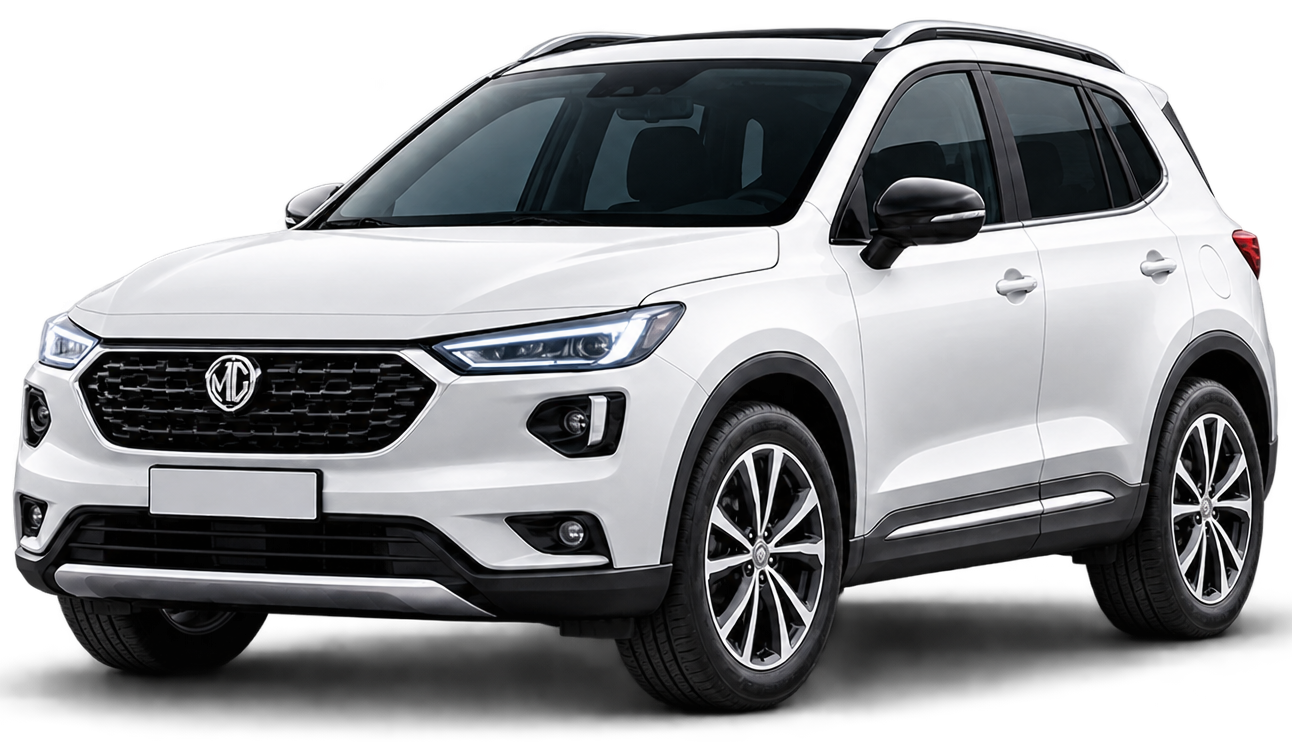
MG Motor secured the third spot with 5,113 units. The brand saw a surge in demand for the Windsor, ZS EV, and Comet EV primarily because of the official announcement that prices would hike starting April 1. Buyers scrambled to take delivery of their EVs in March to avoid the higher price tag and the loss of subsidy.
Mahindra: Value-Focused Growth
Mahindra leveraged the fiscal year end by offering significant discounts on its electric SUV variants. By focusing on making their "Born Electric" (BE) and XUV400 lineup more accessible, they managed to capture a strong second place finish, appealing to buyers looking for rugged electric SUVs at competitive prices.
Maruti Suzuki: The Sleeping Giant Wakes Up
The biggest shock of March 2026 was Maruti Suzuki, which exploded from a negligible 223 units in February to 940 units in March—a staggering 321% increase. This massive jump suggests Maruti is finally flexing its distribution muscle, effectively ending the month as the #4 EV player in India and displacing premium brands.
VinFast: The Rising Challenger
Despite not offering the heavy discounts seen by Tata or Mahindra, VinFast managed to sell 688 units. This steady growth compared to February indicates that the brand is gaining a "premium-yet-reliable" reputation. VinFast is successfully attracting buyers who are focused on technology and global build quality rather than just price cuts.
Looking to buy an EV?
Compare, explore and find the perfect electric vehicle for you.
Explore EVs