Only 13% Qualify for PLI Scheme; Tata & Mahindra Lead the Pack


Despite the government's aggressive push for "Atmanirbhar Bharat" (Self-Reliant India), the domestic electric vehicle (EV) sector faces a harsh reality check. According to a recent report, only 13% of electric vehicle models currently sold in India qualify for the government’s Production Linked Incentive (PLI) scheme.
The low qualification rate highlights a persistent bottleneck in the Indian auto sector: a heavy reliance on China and Taiwan for critical components like batteries and semiconductors.
The Numbers : Who Made the Cut?
Out of 46 EV models currently available in the Indian market, only six models successfully met the Domestic Value Addition (DVA) criteria mandated by the Ministry of Heavy Industries. To eligible for PLI benefits, automakers must demonstrate a minimum of 50% domestic value addition.
The list of qualified vehicles is dominated by two homegrown giants :
-
Tata Motors : Five models qualified, including the Tata Punch EV, Nexon EV, Harrier EV, Tiago EV, and Tigor EV.
-
Mahindra & Mahindra : The newly launched Mahindra XEV9E is the only other model to make the list.
Surprisingly, popular models like the Tata Curvv EV and Mahindra’s BE 6e did not meet the localization norms at this stage.
The China Factor: Why Global Brands Failed
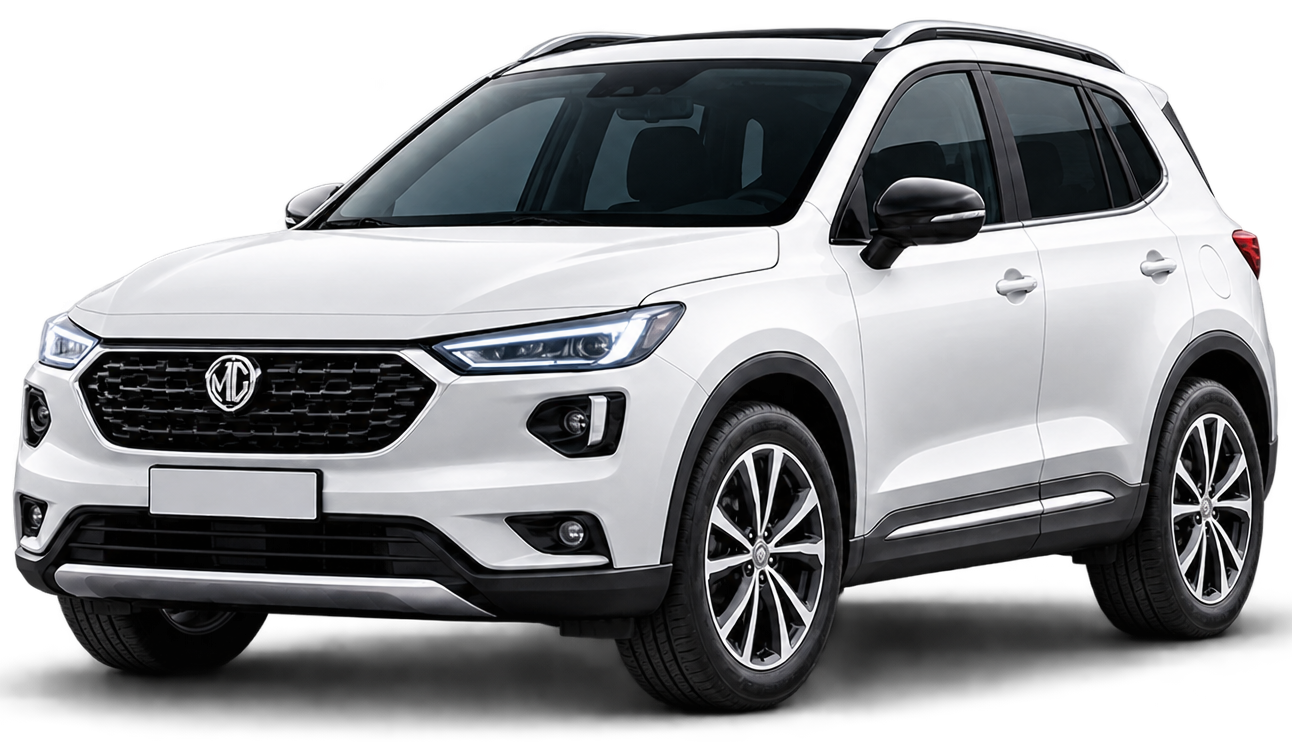
The report indicates that 87% of EV models in India failed to qualify because they carry over 60% imported content. Major global players selling in India—including Hyundai, Kia, MG, BMW, Mercedes-Benz, and Tesla—reportedly rely heavily on imported parts, rendering them ineligible for the scheme.
Industry experts point to the "China Factor" as the primary hurdle. Indian manufacturers are still importing key technology that the local supply chain cannot yet provide, including :
-
Lithium-ion battery cells
-
Rare earth magnets
-
Semiconductors and Printed Circuit Boards (PCBs)
-
BLDC Motors and electronic child parts
Challenges in Localisation
Under the PLI scheme (released in September 2021), the government aims to reduce supply chain volatility and boost local manufacturing. However, automakers argue that the ecosystem for EV components in India is still in a nascent stage compared to Internal Combustion Engine (ICE) vehicles.
"The local supply ecosystem for EVs is not as evolved," a top executive from a European automaker stated. "With limited sales volumes, it is practically unviable to ask global supply chain partners to set up manufacturing in India immediately."
The Road Ahead for Indian EVs
While the government has offered relaxations—such as lowering the DVA cut-off to 40% if battery cells are imported—the industry is struggling to move away from Chinese imports.
For investors and buyers, this report serves as a clear indicator of which companies are truly leading the Make in India race. While Tata Motors and Mahindra have managed to localize significantly, the rest of the industry faces an uphill battle to reduce dependency on imports and unlock government subsidies.
Looking to buy an EV?
Compare, explore and find the perfect electric vehicle for you.
Explore EVs