November 2025 EV Sales Report: Tata Harrier and Mahindra XEV 9e Drive Premium Shift


.png&w=3840&q=75)
The Indian electric vehicle market witnessed a decisive maturity milestone in November 2025. Moving beyond early adoption, the sector has entered a fierce consolidation phase dominated by three key players—Tata.ev, MG Motor, and Mahindra Electric—who now collectively command over 85% of the total market share.
According to the latest industry data, the market is no longer driven by entry-level conversions. Instead, a distinct consumer shift toward premium, purpose-built electric SUVs has emerged, reshaping the strategies of the country’s top automakers.
The Big Three Tighten Their Grip
Tata.ev continues to hold the crown with a commanding 41.2% market share, but the competition is intensifying. MG Motor has solidified its position as a strong challenger with 24.8%, while Mahindra Electric is close behind at 19.9%.
Market analysts point out that Tata’s dominance is anchored in its unrivaled ecosystem. With the widest charging network and a portfolio spanning from ₹8 Lakh to ₹30 Lakh, Tata has built a "trust wall" that competitors find hard to breach. However, MG and Mahindra have successfully carved out significant territory by pivoting to "Crossover Utility" and "Born Electric" platforms, respectively.
Tata.ev: The Harrier EV Takes the Lead
In a surprising turn for the market leader, the flagship Harrier EV has emerged as the volume driver for Tata, dethroning the long-reigning Nexon EV.
Latest figures indicate the Harrier EV now accounts for 47.6% of Tata’s internal sales, suggesting a massive wave of upgrades. Existing EV owners appear to be moving up the ladder, favoring the Harrier for its 500km+ real-world range, V2L capabilities, and AWD options.
Meanwhile, the Nexon EV has settled into a comfortable second place with 24.3% of the brand's sales. The entry-level segment has cooled slightly, with the Tiago and Punch EV combining for roughly 19%, indicating that the "second car" buyer is now prioritizing premium features over rock-bottom running costs.
MG Motor: The Windsor Phenomenon
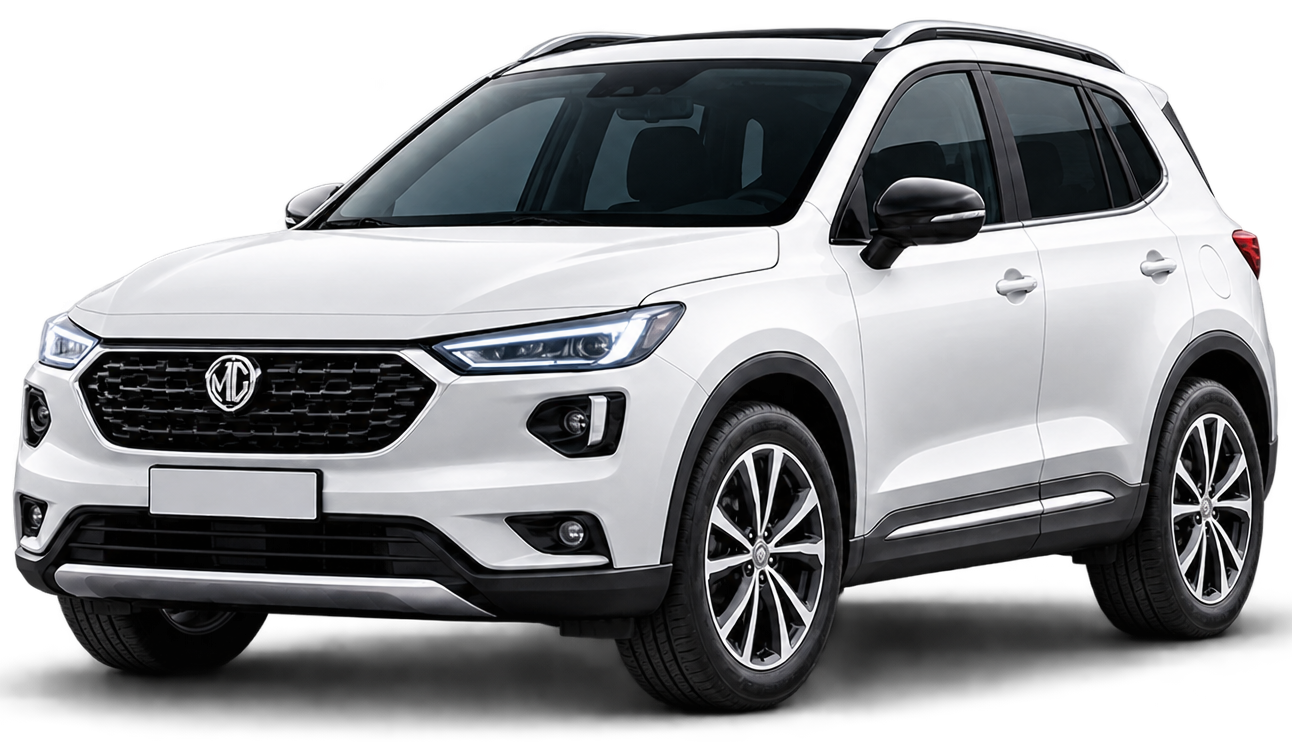
MG Motor’s November performance is a textbook case of a "Hero Product" strategy. The brand effectively runs on the success of the Windsor, which captured a staggering 68.3% of their total sales.
Auto experts attribute the Windsor's success to its unique positioning—offering "Business Class" rear-seat comfort and crossover utility at a price point that undercuts traditional SUVs. While the Comet (14.85%) holds its ground as the ultimate city runabout, MG is also building a premium halo with the M9 (6.7%) and the niche Cyberster (1.0%), proving they can find buyers in the ₹50 Lakh+ luxury segment.
Mahindra Electric: The "Born Electric" Revolution
Mahindra’s data confirms that Indian consumers were waiting for purpose-built electric cars. The legacy XUV400 has been effectively sidelined as the new INGLO-based range takes center stage.
The XEV 9e is the clear leader, commanding 52.7% of Mahindra's EV sales, striking a balance between family practicality and futuristic tech. Its sporty sibling, the BE 6, follows with 36.1%, appealing to a younger, performance-oriented demographic. The sharp decline in XUV 400 (11.3%) share signals the end of the "ICE-conversion" era for the brand.
Future Outlook: Can Tata Hold the Fort Against VinFast?
While Tata.ev currently sits comfortably on the throne, a new storm is gathering on the horizon. Vietnamese auto giant VinFast has accelerated its plans for the Indian market, with reports suggesting its manufacturing facility is gearing up for the mass production of the VF6 and VF7 SUVs.
VinFast poses a unique threat that Tata has not faced yet: Global Tech at Local Prices. Industry insiders are closely watching VinFast’s aggressive "Battery-as-a-Service" (BaaS) model. If implemented, this could lower upfront vehicle costs by 30-40%, allowing VinFast to undercut the Nexon and Curvv directly.
The verdict from analysts is cautious: Tata’s crown is likely safe for the next 12-18 months due to its deep network density and brand trust. However, the battle for 2026 won't just be about range—it will be about who offers the best ownership ecosystem, and VinFast is determined to disrupt that equation.
Looking to buy an EV?
Compare, explore and find the perfect electric vehicle for you.
Explore EVs