The 2026 Charging Speed Test: Ranking the 5 Fastest Charging EVs from Tata, Mahindra, MG, and Hyundai


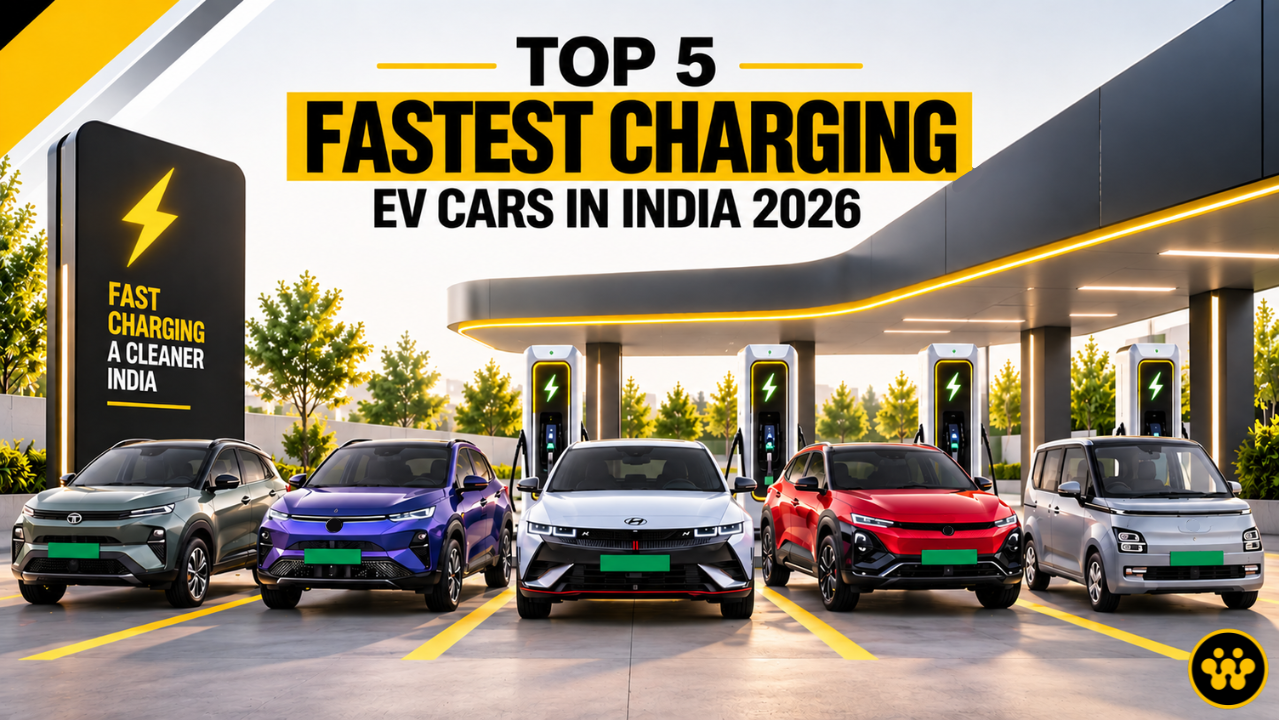
In the Indian EV market of 2026, "Range" is no longer the only king—Charging Speed is the new crown prince. As highway charging infrastructure shifts from 25kW "slow-fast" chargers to 150kW+ ultra-fast dispensers, the car you buy today needs to be ready for the future.
When buyers ask what are the fastest charging electric cars?, the answer often dictates long-distance highway travel efficiency. Finding the fastest charging electric car in india is crucial for drivers looking to minimize downtime during road trips. Securing a model from the top tier of fast charging ev cars in india ensures that replenishing battery packs takes mere minutes rather than hours.
If you’re tired of spending an hour at a charging station while your petrol-driving friends finish their lunch and leave, this guide is for you. At EVINDIA, we’ve analyzed the DC fast-charging curves of the top 5 contenders from India's favorite brands.
Fastest Charging EVs in India (10-80% Comparison)
1. The Architecture King: Hyundai IONIQ 5
The Hyundai IONIQ 5 remains in a league of its own. While most EVs in this price bracket use a 400V system, the IONIQ 5 features a world-class 800V E-GMP platform.
-
The Speed : On a 350kW ultra-fast DC charger, it hits 80% in 18 minutes.
-
Future Perspective : Even in 2026, this is one of the few cars in India that can actually utilize the full power of the new ultra-fast highway charging hubs.
2. The Homegrown Challenger: Mahindra BE 6
Mahindra’s "Born Electric" (BE) series has officially landed, and the BE 6 is built to disrupt. Unlike older models that were converted from ICE cars, the BE 6 sits on the INGLO platform, designed specifically for battery performance.
-
The Speed : Using a 175kW charger, the 79kWh battery version can jump from 20% to 80% in exactly 20 minutes.
-
Why it matters : It is currently the fastest-charging Indian-branded SUV, making it the top choice for frequent highway travelers.
3. The Sleek Performer: Tata Curvv.ev
Tata’s Curvv.ev introduced the acti.ev architecture, which significantly improved thermal management. This allows the car to maintain higher charging speeds for a longer duration of the session.
-
The Speed : It takes roughly 40 minutes to reach 80% on a 70kW DC charger.
-
Pro Tip : While it’s slower than the Mahindra on paper, Tata’s own "EZ Charge" network is optimized specifically for this car’s charging curve, often resulting in very reliable real-world times.
4. The Updated Icon: Tata Nexon.ev (45kWh)
The 45kWh "Long Range" update to the Nexon.ev brought more than just a bigger battery. It brought a faster "intake."
-
The Speed : It matches the Curvv.ev with a 40-minute 10-80% time.
-
The Advantage : At its price point, the Nexon.ev 45 offers the most "kilometers per minute" of charging, making it the value-for-money champion for long-distance driving.
5. The Urban Tech-Hub: MG Windsor EV
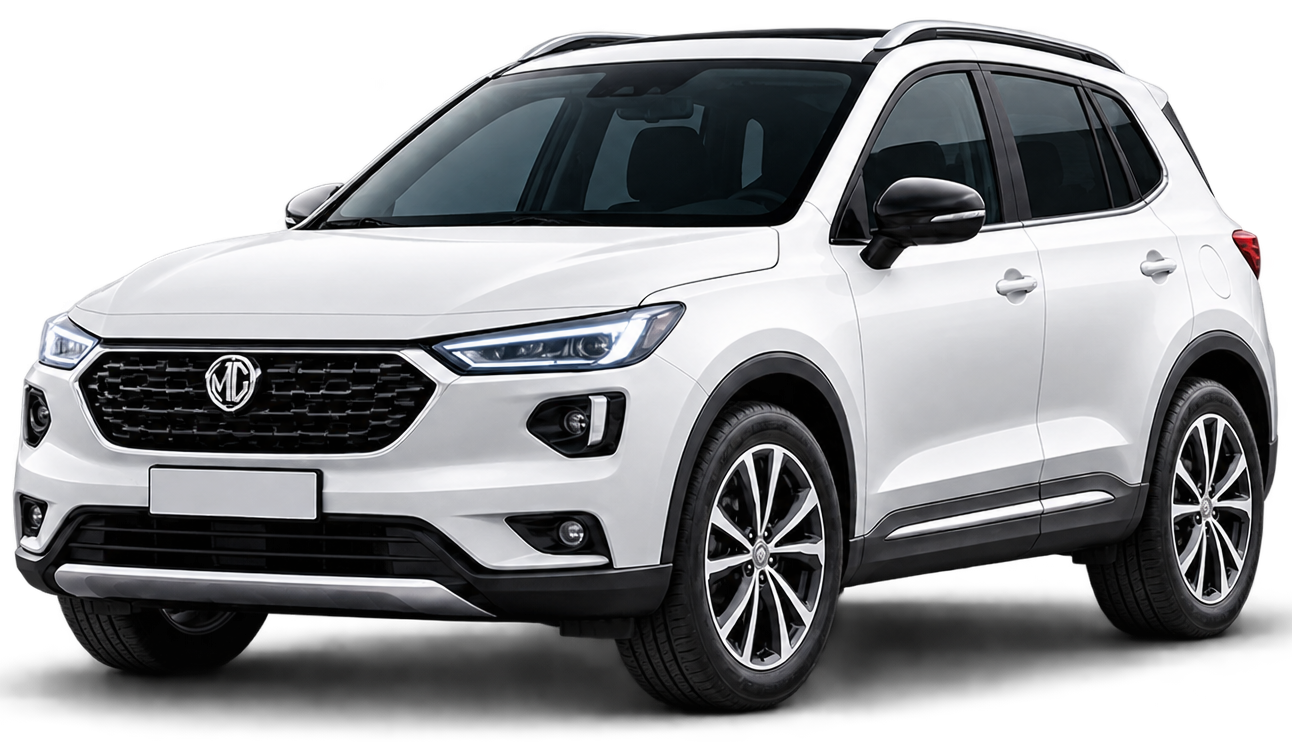
The MG Windsor EV is the most unique car on this list, focusing on comfort and "BaaS" (Battery-as-a-Service) affordability. While it isn't a "hyper-charger" like the IONIQ 5, it is perfectly suited for city life and occasional trips.
-
The Speed : It takes approximately 50 minutes to hit 80% using a 50kW DC charger.
-
Note : The Windsor is capped at a lower peak charging rate (around 45-50kW), meaning it won't charge any faster even if you plug it into a 150kW station.
Analyzing performance data to identify the fastest ev car in india reveals how advanced 800V architectures and liquid-cooled battery systems redefine refueling. Selecting vehicles known as the fastest charging car in india or leveraging the fastest ev charger in india infrastructure allows owners to power up rapidly. These top-performing fast charging ev cars utilize high-capacity DC networks to push efficiency boundaries across the board.
EVINDIA Verdict : Which Speed is Right for You?
-
For the "No-Wait" Lifestyle : If you want the fastest experience possible in India, the Hyundai IONIQ 5 is the only choice.
-
For the Tech Enthusiast : The Mahindra BE 6 offers revolutionary speeds for an Indian brand and is highly future-proof.
-
For the Practical Buyer : The Tata Curvv.ev and Nexon.ev (45) offer a "sweet spot"—40 minutes is just enough time for a meal break on the highway.
Ultimately, tracking down the fastest ev car in india or evaluating general ev cars in india helps clarify which indian ev cars have fastest charging capabilities. Investing in a leading platform ensures your vehicle stays ahead of infrastructure demands, making long-distance electric driving completely seamless.
Frequently Asked Questions
Q.1 Which EV has the fastest charging time in India in 2026?
Q.2Does frequent fast charging damage my EV battery?
Q.3Why does my EV charge slowly after 80%?
Q.4Can I use a 150kW charger for my MG Windsor EV?
Q.5What is the difference between AC and DC charging?
Q.6How much does it cost to fast-charge an EV in India?
Q.7Does the weather in India affect EV charging speed?
Q.8Is the Mahindra BE 6 faster than the Tata Curvv.ev?
Q.9Can I install a fast charger at home?
Q.10What is "BaaS" and does it affect charging?
Looking to buy an EV?
Compare, explore and find the perfect electric vehicle for you.
Explore EVs