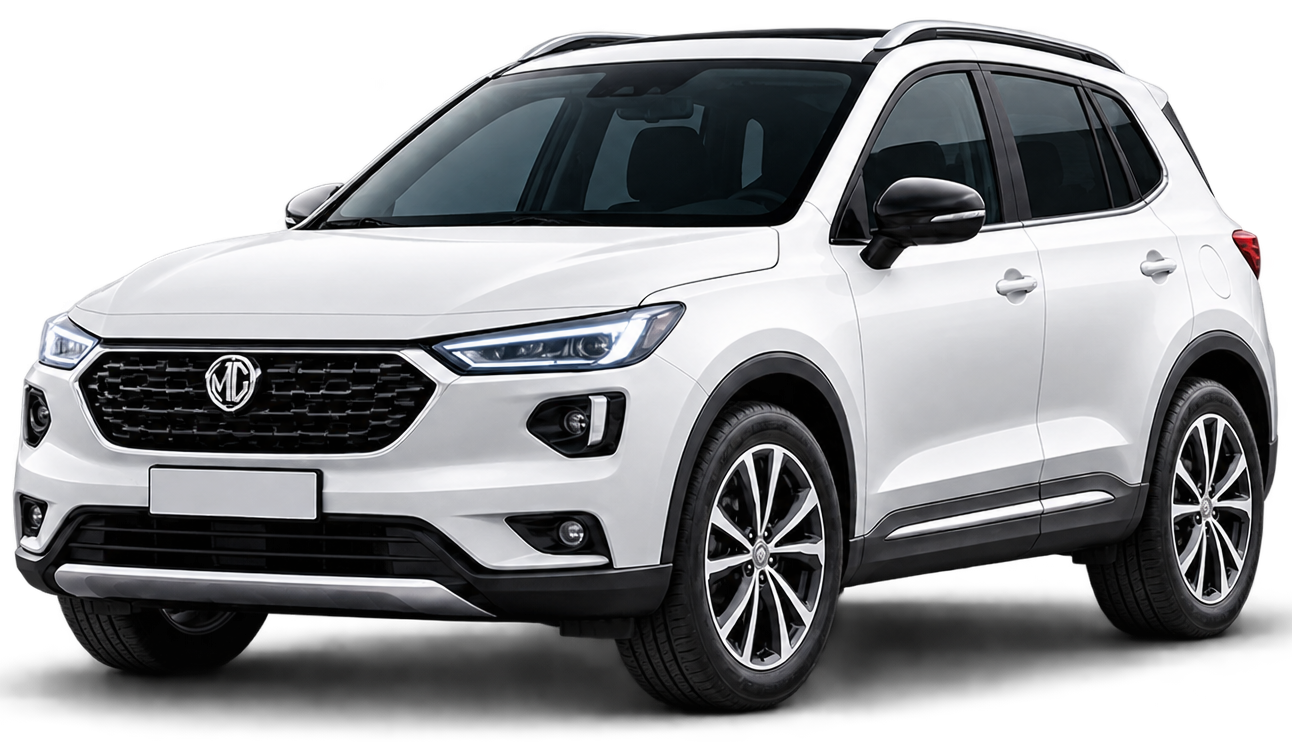
Tata’s Journey from being a taxi-specific brand to being the undisputed EV champion


.png&w=3840&q=75)
In 2025, Indian electric vehicle brands sold 1,01,000 EVs, overtaking Chinese brands, which recorded sales of 57,415 electric vehicles. The data highlights the growing significance of Indian brands, dominated by Tata Motors. With a market share of 40–50% of the EV industry, Tata Motors has taken the foremost position in automobile advancement. From being a traditional player in the internal combustion engine (ICE) vehicle market to emerging as the undisputed leader in electric vehicles (EVs) in India, Tata’s journey of strategic vision, calculated risk taking, and market foresight can inspire other brands and customers to carve out meaningful insights.
What Tata Did Right?
When examining the reasons behind Tata Motors’ success in the EV landscape, it helps to look at the company’s historical approach to the automotive market. Long before electric mobility became mainstream, Tata had a keen sense of evolving consumer needs a foresight that has been instrumental in shaping its leadership today.
1- First Mover Advantage
Tata’s journey in the Indian automobile industry began with a focus on public transport solutions. In the 1990s, when India’s automotive market was driven by demand for rugged commercial vehicles and mass transit options, Tata delivered dependable options like the Indica and various utility vehicles designed ofr public tranportation.

As India’s middle class expanded and personal mobility became more aspirational, Tata transitioned into launching family cars that catered to comfort, safety, and broader customer segments.
This ability to read the market ahead of time helped transcend the long held “taxi ride” perception that dominated Tata’s early image. Instead of being associated solely with commercial vehicles and the Indica hatchback, Tata began to be seen as a brand for everyday families. This change in perception built consumer trust, setting the stage for a more sophisticated leap into electric vehicles.
And then came January 2020, when the brand launched its first electric car the Nexon EV. The new segment brought an opportunity to structure Tata’s perception as a high tech sophisticated brand.
2- Understanding the Market
India’s automobile market is fundamentally price sensitive. For a product to truly resonate, it must strike the right balance between cost, performance, and utility.
By prioritizing high volume production with manageable margins, Tata made its EV offerings reachable for a broader customer base. The strategy paid off, data from 2021 shows that the NExon EV accounted for more than 50% of total EV sales in India that year, marking a remarkable feat for a newly launched electric model.
Hence, rather than positioning EVs as premium, expensive alternatives, Tata placed them within a familiar and acceptable price bracket. For example, the Nexon EV was launched at a price of 12.49 lakh Rs that is a mid-sub range in the automobile industry, making the car a not an out of budget endeavour.
3- Transition Cost and Government Alignment
The Government of India had shown intent to push electric mobility through incentives such as the FAME (Faster Adoption and Manufacturing of Electric Vehicles) scheme. Tata’s NExon EV rollout came ahead of most competitors, making it one of the earliest vehicles to qualify for government subsidies under the initial phase of the FAME scheme.
Through this, Tata was able to position itself in a manner that it was able to benefit from incentives provided by the government. Thus, Tata offered its EVs at a more competitive price in the market compared to other firms that were either late in launching their EVs or were not able to align their strategy with what was expected by the government.
What Others Did Wrong?
1- Underestimating Manufacturing Cost Dynamics
One important error that industrial EV manufacturers made was not fully grasping the economics of EV manufacturing. A good example of this is the EV project undertaken by Maruti Suzuki for its WagonR model, which apparently stalled because of such reasons. It is therefore safe to assume the EV technology is not viable unless the manufacturing economics are also revised.

2- Simple Upgradation to Earlier Platforms Doesn’t Scale
Yet another common pitfall was the belief that the current ICE platforms simply needed to be modified to produce EVs that the market would consume. Honda's development of the Elevate EV, which was based on a simple adaptation of a current model, failed to find traction with the market and was subsequently canceled.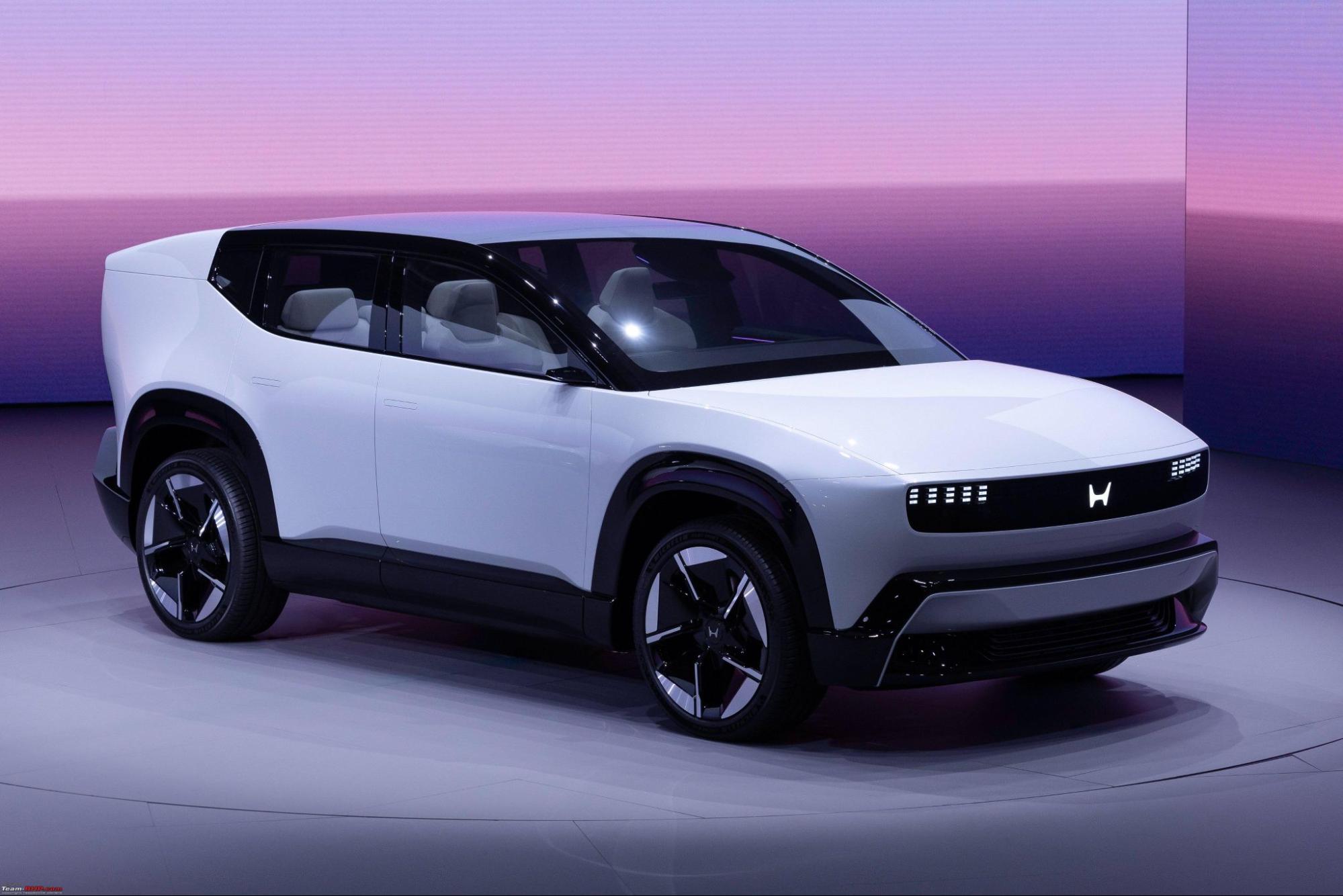
3- Mismatch with Indian Market Needs
Finally, some companies struggled with market compatibility. A prime example is the Renault Kwid EV. Despite having a global counterpart the Dacia Spring Electric Renault has not launched the EV version in India. Whether due to localization challenges, cost constraints, or strategic indecision, this delay has left a potentially competitive model absent from a rapidly growing segment.
In each case, the underlying issue was the same: a lack of tailored strategy for Indian market realities, whether in cost, design, or timing mistakes that Tata managed to avoid or correct early.
How EVs Helped Tata Acquire Greater Market Share
1. New Customers, Not Just Transition Buyers
In fact, more than 30% of Tata's EV buyers were not previous owners of an internal combustion engine vehicle at home. This showed that Tata Motors was not only transitioning existing car owners into users for EVs, instead, they were attracting new customers altogether.
2. Perception Shift Toward Futuristic Innovation
Tata has managed to change public perception through strategic campaigns. Initiatives like “Protecting the Nature” and “Never Been to EVergreen” helped Tata EVs gain credibility with customers who saw them in a positive light. Recently, the company introduced marketing campaigns to boost its reliability. Under the campaign, Tata’s Harrier EV was shown crossing the Beas River, crash tests, and climbing Elephant Rock highlighting its tough and creative manufacturing that stands reliable in harsh operating conditions.

3. Spillover Effect Across the Entire Portfolio
This brand uplift due to EVs didn't remain confined to the electric segment. As the customer perception of Tata shifted toward more innovative and reliable products, there was increased engagement across the entire product lineup. More buyers started relating Tata with quality, value, and performance not just EVs thus creating a spillover effect that drove not only EV sales but also ICE sales.
Conclusion
Tata Motors’ strategic entry into electric mobility reshaped the company’s entire market position. In 2025, Tata Motors sold 5,78,771 units, of which 81,125 were EVs, reflecting a remarkable market presence across both conventional and electric vehicles. Furthermore, in January 2026, Tata Motors overtook Mahindra with domestic sales of 70,222 units, up 46.06% year over year and 40.31% compared to December 2025. This data highlights Tata’s balanced growth, where EV leadership complements strong overall sales, reinforcing the company’s evolution from an ICE-focused automaker to a trailblazer in India’s electric future.
Looking to buy an EV?
Compare, explore and find the perfect electric vehicle for you.
Explore EVs