Top Upcoming Electric Cars in June 2026: What to Expect from Tata, Toyota, and Hyundai


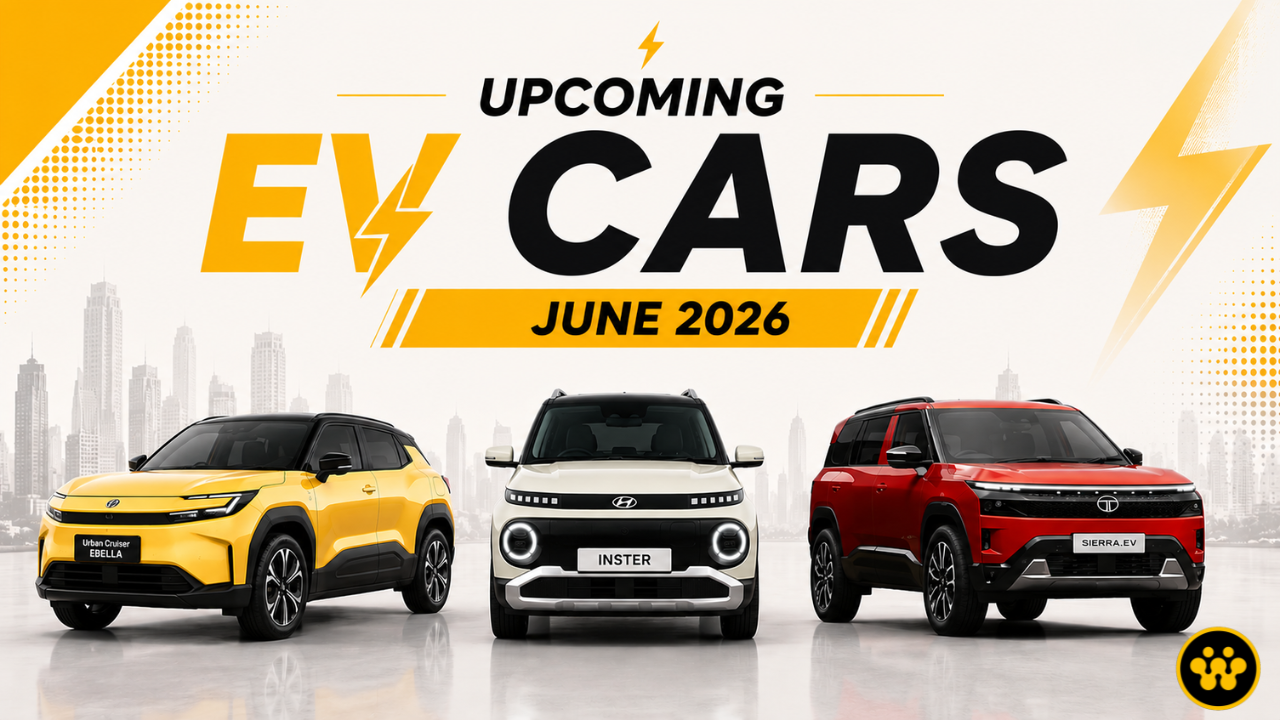
The electric vehicle revolution is charging ahead, and June 2026 is shaping up to be a monumental month for EV enthusiasts. Automakers are rolling out models that promise better range, futuristic tech, and aggressive pricing. If you are looking to make the switch to electric, here is a breakdown of three highly anticipated upcoming electric cars expected this month.
1. Tata Sierra EV: An Icon Reborn
Tata is bringing back a legendary nameplate, slotting the revived Sierra squarely between the Curvv EV and the Harrier EV. This isn't just a nostalgic cash-grab; the Sierra EV is built as a flagship contender.
-
Design : It features a striking, modern glasshouse design that pays homage to the original while looking distinctly futuristic.
-
Performance : Expected to be offered in both Rear-Wheel Drive (RWD) and All-Wheel Drive (AWD) configurations.
-
Range : Tata is targeting an impressive estimated range of over 500 km on a single charge, making it a serious option for long-distance highway cruising.
.png)
2. Toyota Urban Cruiser Ebella: Toyota’s Big BEV Debut
Toyota has taken its time entering the pure Battery Electric Vehicle (BEV) space in India, but the Urban Cruiser Ebella marks their official arrival.
-
Platform Sharing : In a continuation of their successful partnership, the Ebella shares its underlying platform with the Maruti Suzuki e Vitara.
-
Battery Options : Toyota is offering flexibility with dual battery configurations — a standard 49 kWh pack and a larger 61 kWh option.
-
Range : The larger battery variant claims a maximum range of up to 543 km, positioning it as a highly practical family SUV.
.png)
3. Hyundai Inster EV: The High-Tech City Commuter
While Tata and Toyota are focusing on larger SUVs, Hyundai is expanding its subcompact lineup with the affordable and tech-heavy Inster EV.
-
Cabin Tech : Despite its size, the Inster doesn't skimp on technology. It boasts a massive 10.25-inch dual-screen setup dominating a highly digitized cabin.
-
Target Audience : Built primarily as a futuristic electric city car, it focuses on maneuverability and urban efficiency.
-
Pricing : With an estimated starting price of around ₹12 Lakh, the Inster EV is poised to aggressively disrupt the entry-level electric market.

Disclaimer : While these vehicles are heavily anticipated for June 2026, launch dates and exact vehicle availability are subject to manufacturer changes.
Frequently Asked Questions
Q.1Is it worth waiting for the Tata Sierra EV, or should I just buy a Harrier EV now?
Q.2What is the real-world range I can expect from the Toyota Urban Cruiser Ebella?
Q.3Will the Hyundai Inster EV be practical for a small family?
Q.4Can I charge the Toyota Ebella at Maruti Suzuki charging stations?
Q.5Are these upcoming EVs safe for Indian roads, especially during the monsoon?
Q.6What is the battery warranty expected on these new June 2026 EVs?
Q.7Does the Hyundai Inster EV support fast charging?
Q.8Are there any government subsidies available for the Tata Sierra EV or Toyota Ebella?
Q.9Will the Tata Sierra EV have a 4x4 or AWD option?
Q.10How much will it cost to fully charge the Hyundai Inster EV at home?
Looking to buy an EV?
Compare, explore and find the perfect electric vehicle for you.
Explore EVs