Bajaj Auto’s EV Production to Hit Zero in August! Rare Earth Crisis Threatens Chetak, GoGo Sales & Festive Deliveries


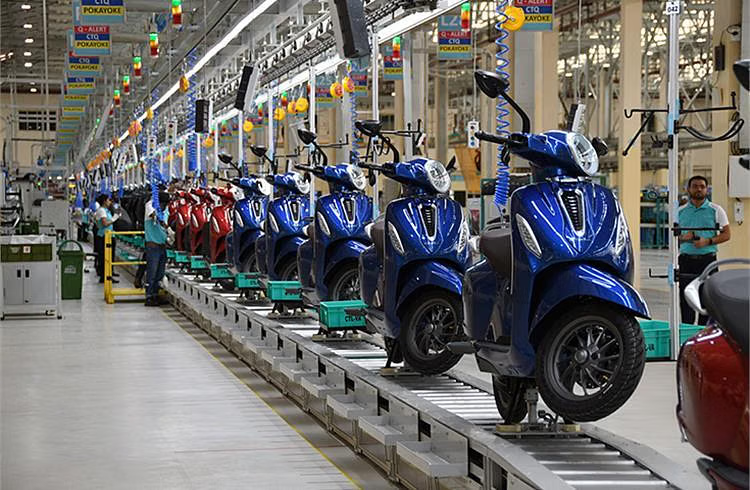
In a startling development that could shake India's booming electric two-wheeler market, Bajaj Auto has warned of a complete halt in EV production by August 2025 due to a severe shortage of rare earth magnets, a critical component used in EV motors.
This rare earth crisis, reportedly driven by import restrictions on Chinese components, may derail festive season deliveries of bestsellers like the Bajaj Chetak and GoGo e-rickshaw, while posing serious risks to India’s broader clean mobility momentum.
“We are down by half this month, and August could be a zero month for EV production,” said Rajiv Bajaj, Managing Director of Bajaj Auto.
Why Rare Earth Magnets Matter to India’s EV Future
EV motors rely heavily on heavy rare earth magnets for performance and efficiency—most of which are imported from China, a country dominating global rare earth supplies.
With new curbs on imports, the auto major is struggling to maintain its production volumes despite high market demand. Smaller EV startups may survive with limited inventory, but for volume players like Bajaj, the disruption comes at a critical time ahead of India’s festive season push.
No Quick Fixes: Tech Switches Not Feasible in Short Term
Rajiv Bajaj emphasized that switching to alternative motor technologies or sourcing magnets from non-Chinese suppliers involves significant redesign, cost, and time, which is impractical ahead of key sales cycles.
Call for Policy Clarity and Flexible PLI Norms
The automaker has called on the Government of India to urgently communicate its near-term plans, offer transparency on rare earth imports, and explore relaxations in Production Linked Incentive (PLI) norms, especially around Domestic Value Addition (DVA) requirements.
“We need consistent dialogue and clarity to plan our operations. Right now, we know very little,” said Bajaj.
Maharashtra Subsidy Delays Add to Industry Woes
Adding to Bajaj Auto’s challenges is the pending reimbursement of EV subsidies from the Maharashtra government. The company revealed it has not received significant payouts in over two years, despite having passed on the benefits to customers.
“These delays hurt cash flows and erode trust in state policy,” Bajaj said, warning that it could damage Maharashtra’s reputation as a preferred EV investment destination.
Impact on Dealers, Suppliers & India’s EV Goals
The ripple effects could hit EV component suppliers, dealers, and MSMEs, many of whom have invested heavily expecting policy continuity and demand growth. With EV penetration in major metros already crossing 25% in scooters, the disruption could reverse consumer momentum and stall India’s progress toward its 2030 EV targets.
Why This Matters:
- Bajaj Auto is India’s #1 electric scooter seller via the Chetak
- Rare earth shortage could affect festive sales (Diwali-Onam-Dussehra)
- Market-wide impact on EV affordability, delivery timelines, and cost structure
EVINDIA Insights:
This crisis highlights a growing vulnerability in India’s EV supply chain—overdependence on China for critical materials. As India pushes to localize EV manufacturing, strategic mineral security and diversification of supply will be vital.
Looking to buy an EV?
Compare, explore and find the perfect electric vehicle for you.
Explore EVs