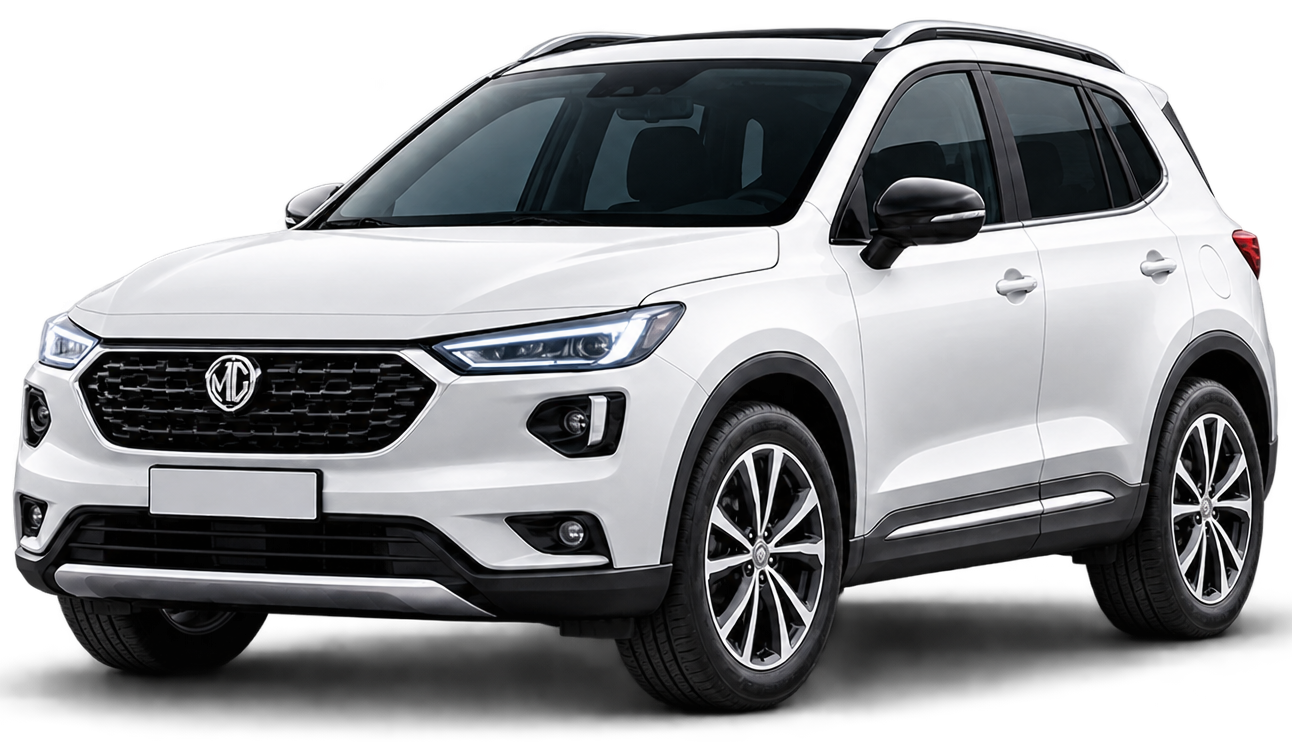
TATA Motors to readjust their pricing to compete with China: Will EV prices go down?


Tata Motors is planning to compete with Chinese electric vehicle Original Equipment Manufacturers (OEMs) by matching their pricing levels, according to an executive from the company, PTI reported. The plan is in line with the company’s ambition to expand its global market presence.
Managing Director of Passenger Vehicles Electric Mobility, Tata Motors, Shailesh Chandra, acknowledged the pricing competition from the Chinese counterparts while speaking at the "FT Live Energy Transition Summit India", the report added.
Furthermore, he justified the affordable pricing of Chinese-made electric vehicles due to their comprehensive ecosystem, which facilitates scaling value chain incentives and price competitiveness.
Citing Chandra, PTI reported, "Right now, as far as we are concerned, we are completely focusing on that possibility and scenario, which is very real, and we are already competing with some of them in some manner. We are very confident that at least in the next 1-1.5 years, we will be, from a landed cost perspective, taking the logistics and duties of 15 per cent or so, pretty much on cost parity with the Chinese manufacturers."
The executive emphasised the vital significance of programs for self-reliance and improved local manufacturing capabilities. From chips to different vehicle elements, Chandra emphasised the company's thorough preparation across numerous components and subsystems.
In addition, he said India must take a “leap of faith and effort” to compete globally. He emphasised that any move towards international markets would inevitably mean facing strong Chinese competition.
Chandra acknowledged that there are now cost competitiveness gaps when compared to Chinese manufacturers because of their ecosystem advantages, but she was certain that Tata Motors would quickly move toward global competitiveness as a result of the company's goals for international expansion
He also credited policy stability for sustaining growth, pointing to government incentives such as lower GST, tax benefits, and state-level support. He said, "I must mention that what has really helped in sustaining this growth is the policy stability by the government in terms of giving incentives in the form of lower GST or low tax benefit. State governments also came up with incentives. I think all this has gone behind, you know, significantly increasing the sales of electric cars."
Looking to buy an EV?
Compare, explore and find the perfect electric vehicle for you.
Explore EVs