MHI releases EV charging station guidelines, seeks to set up 72,300 charging points


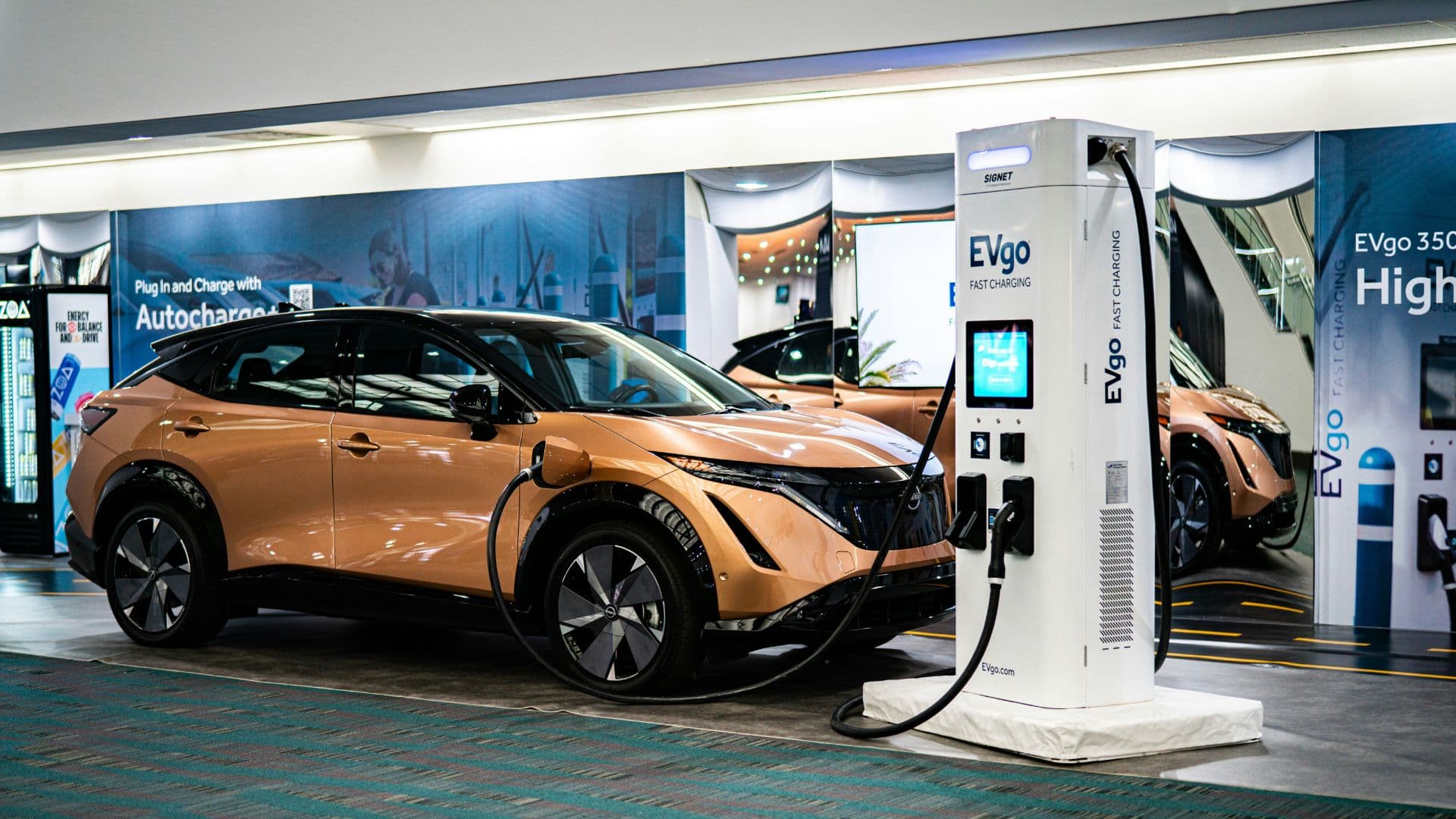
New electric vehicle (EV) charging stations established under the Prime Minister Electric Drive Revolution in Innovative Vehicle Enhancement (PM E-Drive) scheme will follow the latest guidelines operationalised by the Ministry of Heavy Industries.
Under the PM E-Drive scheme, the government plans to establish almost 72,300 electric charging stations throughout the nation with a budget of Rs 2,000.
The government, under the released guidelines, will follow a tiered subsidy scheme to install EV charging stations throughout various locations. Meanwhile, places like residential areas, government premises, hospitals, offices, and educational institutions will enjoy a 100% subsidy on EV charging equipment and the upstream infrastructure, but only if the charger is freely open to all.
The subsidy covers 70% of the cost of EVSE and 80% of upstream infrastructure for transportation hubs and public sector-controlled sites such as toll plazas, bus depots, airports, OMC outlets, and train stations. In all other public areas, including streets, malls, and market complexes, upstream infrastructure is the sole thing eligible for an 80% credit.
Moreover, there is also an 80% infrastructure subsidy available for battery charging stations and swapping that can be installed anywhere.
Benchmark prices for upstream infrastructure range from ₹6.04 lakh for chargers with a capacity of up to 50 kW to ₹24 lakh for those with a capacity of more than 150 kW. Meanwhile, benchmark prices for EV Supply Equipment (EVSE) vary with the capacity of the charger. For instance, a 50 kW CCS-II charger costs ₹7.25 lakh, while a 100 kW CCS-II charger costs ₹11.68 lakh. These expenses will be used for calculating the amounts of eligible subsidies.
The program will prioritise state capitals, smart cities, satellite towns connected to the metro, high-density national and state highways, and metropolitan centres with a population of one million or more. Infrastructure support has also been designated for public transportation hubs, including airports, train stations, and gas stations.
Incentives will also be available to state and Union Territory governments, including their PSUs and related agencies, central ministries, and central public sector enterprises (CPSEs), to help electrify government department fleets.
To establish the charging stations, Nodal bodies will first identify high-priority locations and then submit their proposal in an online portal.
As the Project Implementation Agency, Bharat Heavy Electricals Limited (BHEL) has been chosen to deliver high-quality execution. Under the scheme, funds will be released if compliance and performance requirements are met in a two-tranche subsidy disbursal mechanism.
To facilitate payments, monitor usage, and enable real-time station availability, integration with the National Unified EV Charging Hub will be required.
Looking to buy an EV?
Compare, explore and find the perfect electric vehicle for you.
Explore EVs