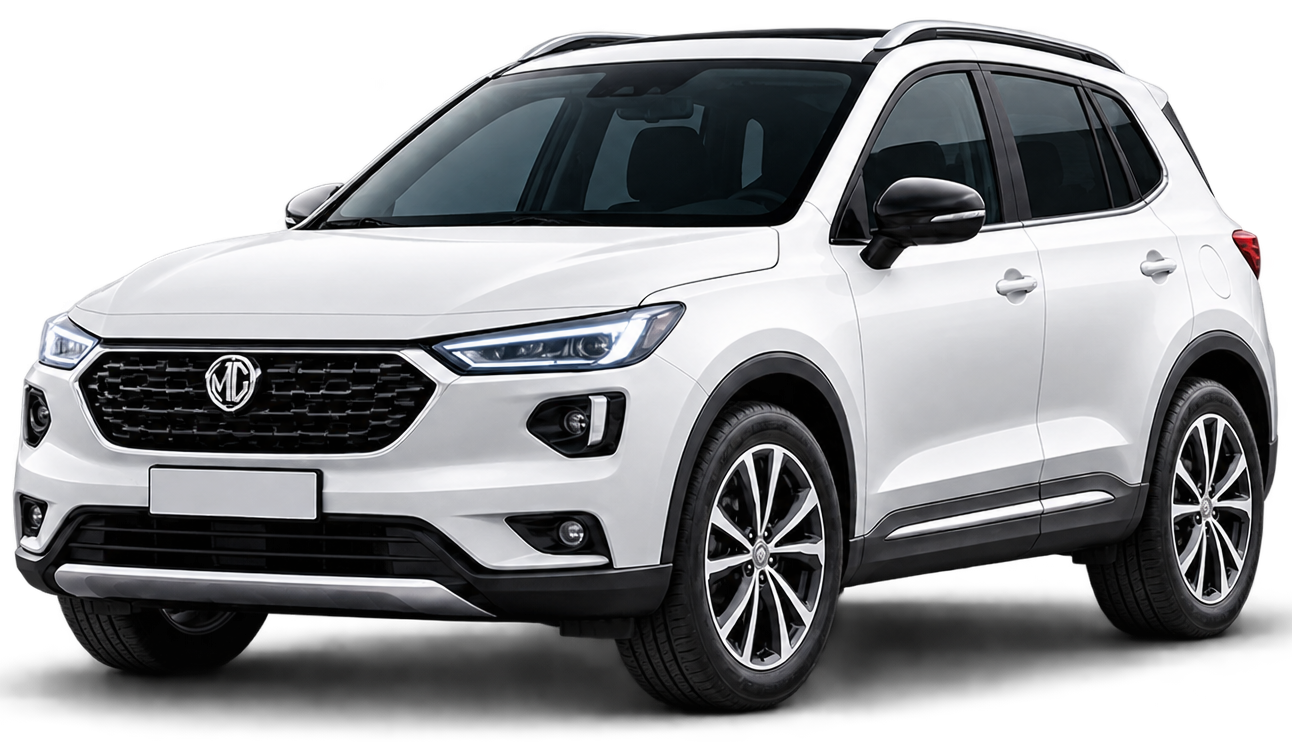
India’s EV Passenger Sales to Hit 1.38 Lakh in 2025, Led by SUVs and Tata Motors: Report


EV Market Accelerates: India Eyes 1.38 Lakh Passenger EV Sales in 2025
India’s electric vehicle (EV) sector is set to hit new milestones in 2025, with passenger EV sales projected to reach 1,38,606 units, a 40% jump from 2024’s total of 99,004 units, according to Frost & Sullivan’s latest report. The study attributes this sharp rise to favorable government policies, growing consumer adoption, and a stronger product lineup across Original Equipment Manufacturers (OEMs).
Battery-Electric Dominates, SUVs Lead the Surge
Battery Electric Vehicles (BEVs) continue to dominate India’s EV space, comprising 99.9% of all sales. Plug-in hybrid electric vehicles (PHEVs) remain niche at just 0.1%. SUVs and subcompact SUVs are fueling the bulk of this demand, with Tata Motors maintaining its leadership through high-volume models like:
- Tata Punch EV – 22,724 units (CY2024)
- Tata Nexon EV
- Tata Tiago EV
“Consumers are clearly gravitating toward feature-rich, family-friendly electric SUVs,” the report notes.
2025 EV Sales Outlook: What’s Powering the Growth?
|
Metric |
Value |
|
Projected 2025 EV Sales |
1,38,606 units |
|
2024 Sales |
99,004 units |
|
Growth Rate |
+40% YoY |
|
BEV Share |
99.9% |
|
Top Segment |
SUVs & Subcompact SUVs |
Policy Support: From FAME to PM eDRIVE
India’s EV transformation has been guided by nearly a decade of progressive government support:
- FAME I (2015) – ₹795 crore budget
- FAME II (2019) – Focused on localization
- PM eDRIVE (2024) – ₹10,000 crore to build global competitiveness
The focus has now shifted from upfront subsidies to deep localization of battery packs, power electronics, and EV components.
Infrastructure & Tech: The Next Growth Pillars
India’s EV charging network is also scaling:
- 25,500+ public charging stations
- ~60,000 connectors
- Connector-to-EV ratio: 1:7 (ideal: 1:5 by 2030)
- Top states: Karnataka (5,765), Maharashtra (3,728), Delhi (1,941)
Emerging technologies like AI, ML, digital twins, and automation are expected to power the next phase of manufacturing efficiency.
The Road Ahead: Tata, Mahindra & MG Gear Up for 2030
As competition heats up, India’s top automakers are racing to scale their EV portfolios:
- Tata Motors: 10 EV models by 2030
- Mahindra: 7 battery EVs by 2030
- Hyundai: 6 EV models in the pipeline
By 2030, Frost & Sullivan projects India’s EV passenger segment could touch 7 lakh units annually, with PHEVs and ethanol+battery models also likely to enter the fray.
EVINDIA Insight
India’s EV market is no longer in “early adopter” mode. Backed by strong SUV demand, aggressive localization, and expanding infrastructure, 2025 could be a watershed year for passenger EVs. OEMs that blend price, performance, and presence will define this next phase.
Looking to buy an EV?
Compare, explore and find the perfect electric vehicle for you.
Explore EVs