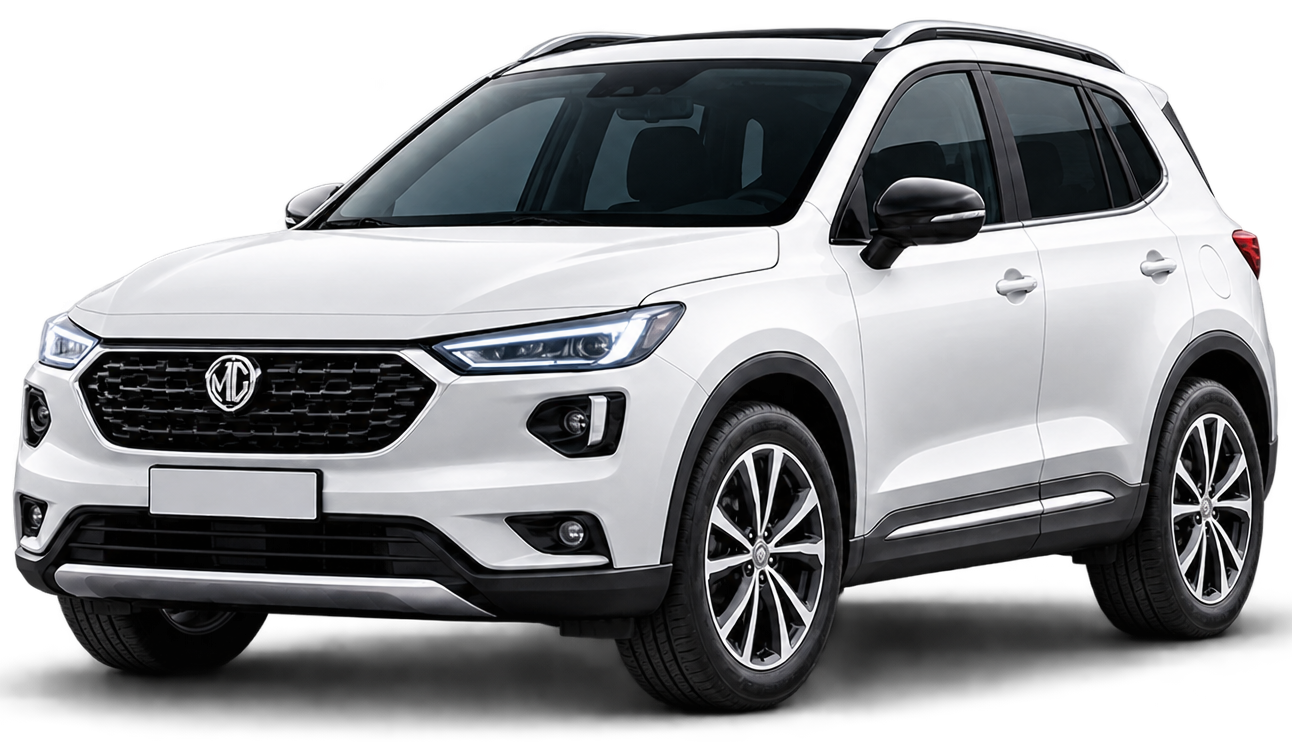
Govt to install 236 EV charging stations across South Indian highways


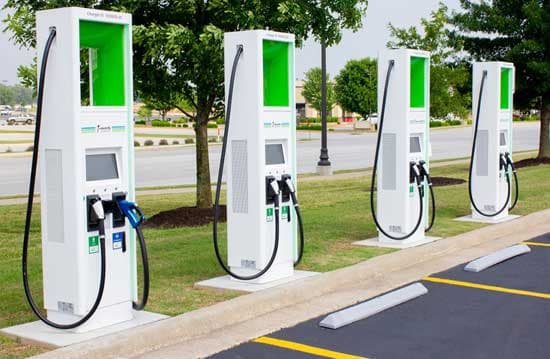
Four major highway corridors will get 236 electric vehicle charging stations as per the recent update by the government. The stations are reported to be jointly developed by Indian Oil Corporation, Bharat Petroleum, and Hindustan Petroleum.
As per the Ministry of Petroleum and Natural Gas (MoPNG), currently, the Bengaluru-Chennai Expressway has 30 charging stations, among which 26 have already been installed, and four have been commissioned. Meanwhile, the Bengaluru-Hyderabad corridor (NH-44) hosts 64 points, among which 23 are commissioned sites. The Bengaluru–Pune Highway (NH–48) has the most installations with 109, while the Bengaluru–Mysuru Expressway (NH–275) has 33. There are 149 installed and 87 commissioned units total throughout the four circuits, news first prime reported.
Although consolidated corridor-specific data is not centrally maintained, officials pointed out that the deployment is indicative of the region's expanding EV infrastructure. In response to consumer demand and projected increases in EV adoption, private businesses continue to independently establish charging stations in addition to public sector initiatives.
According to guidelines released by the Ministry of Power on September 17, 2024, EV charging is classified as an unlicensed activity, meaning that businesses are able to set up infrastructure without facing any restrictions. However, whether the current density of chargers is sufficient for long-distance travel across these highways has not yet been the subject of a thorough study.
Meanwhile, a more comprehensive evaluation of preparedness for zero-emission freight transport has been carried out by the Office of the Principal Scientific Adviser (PSA). The Bengaluru–Chennai corridor is one of ten routes that are appropriate for the early adoption of electric trucks, according to the study India's Priority Corridors for Zero-Emission Trucking, published on May 9, 2025.
The government also claimed that India's national transmission grid will accommodate the country's growing demand for EV charging, with continuous improvements providing a steady supply of electricity throughout the country.
Looking to buy an EV?
Compare, explore and find the perfect electric vehicle for you.
Explore EVs