EV penetration in India to reach 50%, 22 Mn EV Sales by 2035: Report


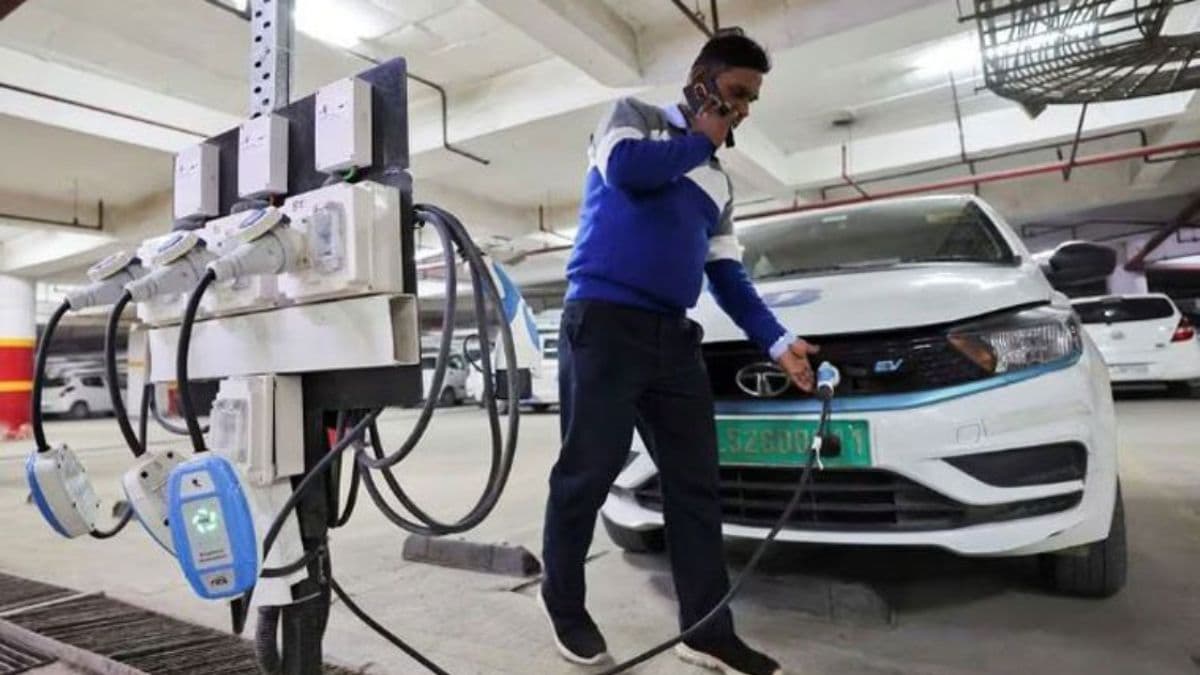
Accelerated by high demand, strong supply chains and progressive regulations, Electric vehicles are expected to account for more than 50% of India’s automobile market, with sales projected to reach 22 million units by 2035, a report released on Monday said.
The report released by KPMG India underlines that India has the ability to change potential supply chain risks into chances for leadership in sustainable mobility.
As the demand for essential raw materials like lithium, nickel, cobalt, and rare earth elements is expected to increase significantly, one of the major four global professional services networks highlighted that India should consider strategies to enhance resilience and competitiveness within its EV ecosystem. Electric vehicles (EVs) consume six times the amount of minerals compared to conventional vehicles, which means that the demand for lithium, nickel, cobalt, and rare earths could grow exponentially due to the increasing global adoption of EVs.
More than 70 percent of the world's refining capability for critical minerals is saturated in a limited number of regions, which gives rise to geopolitical and trade risks.
Domestic recycling and processing initiatives along with deposit exploration in areas like Jammu and Kashmir (J&K) could reduce the need for imports.
The report highlighted that in such a scenario, essential policies like promoting domestic refining, ensuring long-term supply agreements, and funding research and development for alternative chemicals can be vital measures.
Citing Rohan Rao, Partner, Automotive and Lead–Electric Mobility, KPMG, NDTV reported, “India's EV ambitions hinge not just on manufacturing capacity but on securing the raw material backbone. Without resilient supply chains, the transition risks being delayed or derailed".
The report emphasised that India's success in the EV sector will hinge on how effectively the country tackles the raw material challenge. India can protect its supply chain, lower its risks, and become a leader in sustainable mobility by integrating domestic projects with global partnerships.
Looking to buy an EV?
Compare, explore and find the perfect electric vehicle for you.
Explore EVs