Mid-June 2026: EV 4-Wheeler Sales Report – Tata Leads, Competition Intensifies


The Indian electric passenger vehicle market continues its strong momentum in mid-June 2026. As traditional fuel prices remain volatile and consumer awareness regarding the complexities of high-ethanol blended fuels (like E20, E85, and E100) grows, more buyers are prioritizing the reliability and lower running costs of Battery Electric Vehicles (BEVs).
For the current reporting period, Tata Motors maintains its firm leadership, while other manufacturers are aggressively expanding their portfolios to capture the growing demand for sustainable, long-range electric SUVs.
EV 4-Wheeler Sales Performance (Mid-June 2026)
Market Overview & Industry Trends
-
Tata Motors : Continuing to dominate the landscape with 4,660 units, Tata Motors remains the market leader. The brand is currently generating significant buzz ahead of the highly anticipated debut of the Sierra EV on June 30, 2026. This premium midsize SUV is expected to offer advanced features and competitive range, further cementing Tata's aggressive electrification strategy.
-
Mahindra : Securing the second spot with 3,255 units, Mahindra’s "Born Electric" SUV lineup continues to resonate with buyers. Their focus on high-voltage architectures and robust battery management systems has made them a strong choice for those seeking reliable, long-distance electric mobility.
-
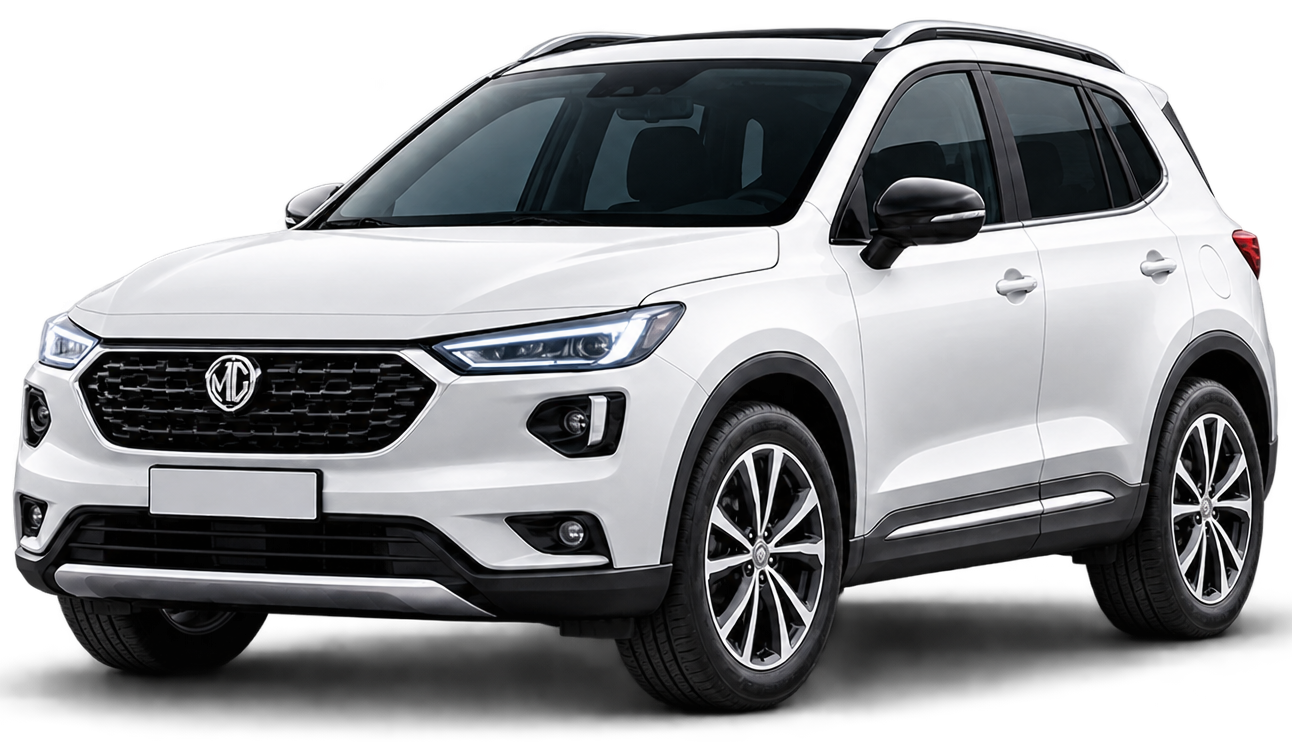
MG Motor : With 2,592 units, MG continues to maintain a steady adoption rate. Their portfolio, featuring the ZS EV and Comet EV, remains popular among urban buyers who value premium features and compact, efficient design.
-
VinFast & Maruti : New entrant VinFast recorded 870 units, demonstrating rapid market acceptance as it scales its global EV platforms in India. Meanwhile, Maruti Suzuki continues its steady climb with 753 units, gradually building its EV footprint as it expands its limited but growing lineup.
-
BYD : Focused on the premium segment, BYD recorded 378 units. The brand continues to attract interest through its proprietary Blade Battery technology, which remains a key selling point for those prioritizing safety and long-term battery stability.
The Future of Electric Mobility
The shift toward electric four-wheelers is increasingly driven by the "real-world" economics of vehicle ownership. While high-ethanol fuel mandates create uncertainty regarding engine longevity, maintenance costs, and fuel efficiency, electric vehicles provide a clear, predictable alternative. With running costs often falling between ₹1 to ₹1.5 per kilometer-significantly lower than traditional petrol or diesel options-the transition to electric is becoming the most pragmatic choice for modern Indian families looking to shield themselves from fuel volatility. As charging infrastructure expands and manufacturers introduce more feature-rich, long-range models, EVs are positioned to remain the definitive future of the Indian automotive industry.
Looking to buy an EV?
Compare, explore and find the perfect electric vehicle for you.
Explore EVs