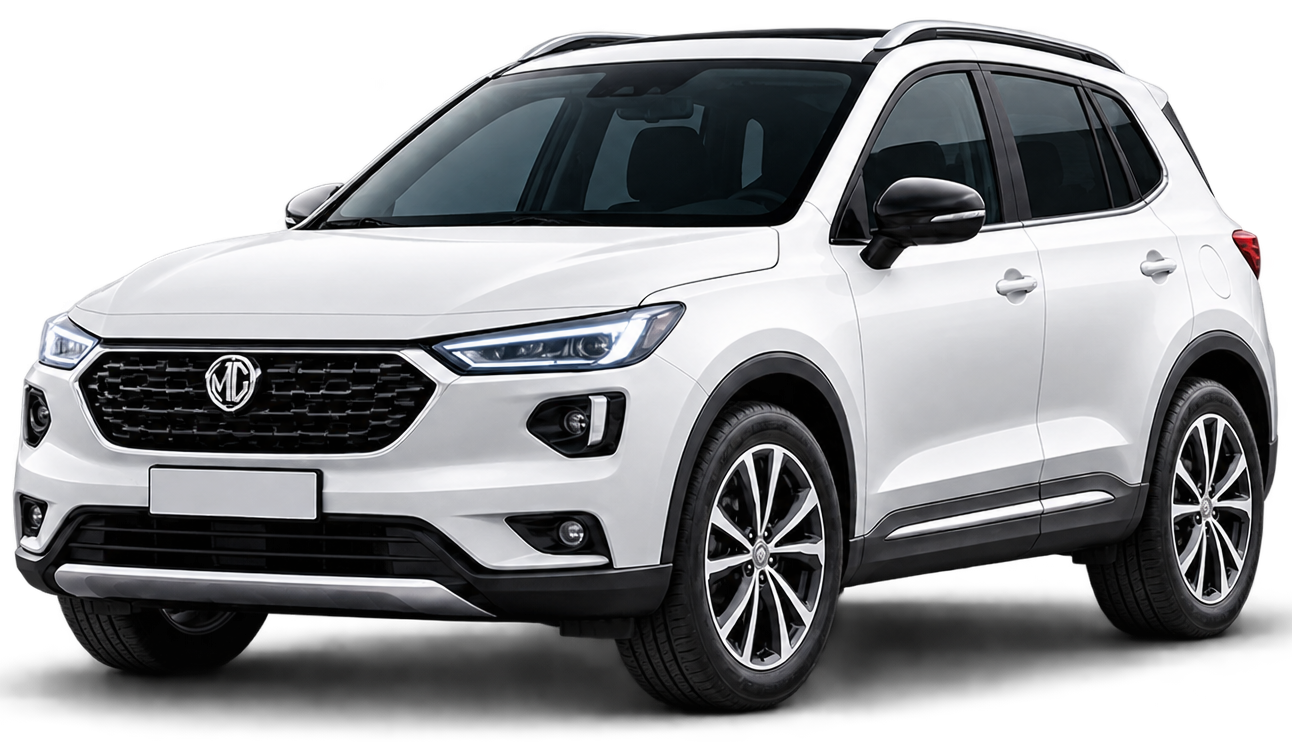
How to Apply for an EV Loan in India (2025): A Simple 5-Step Guide


Making the switch to an electric vehicle is an exciting prospect, but navigating the loan application process can often feel overwhelming. Whether you're eyeing a new electric scooter, a family-friendly EV car, or a commercial three-wheeler, securing the right financing is key. This simple, step-by-step guide will demystify the process and walk you through everything you need to know to get your EV loan approved.
Step 1: Choose Your EV & Determine Your Budget.
The first step is to decide on the specific electric vehicle you want. Your choice of an EV scooter like the Ola S1, a car like the Tata Tiago EV, or a commercial vehicle will determine the on-road price and the loan amount you need. Once you've decided, obtain a pro forma invoice from the dealer.
Step 2: Check Your Eligibility & Gather Your Documents.
Lenders have a standard set of eligibility criteria. Before applying, ensure you meet them:
- Age: Typically between 21 and 65 years.
- Credit Score: A score of 650 or higher is generally preferred, with higher scores unlocking better interest rates.
- Minimum Income: This varies, but a minimum monthly income of around ₹15,000 to ₹25,000 is a common benchmark.
- Required Documents: Have digital or physical copies of your PAN card, Aadhaar card (for address proof), latest salary slips or ITR filings (for income proof), and bank statements for the last 3-6 months.
Step 3: Compare Your Lending Options (Banks vs. Fintechs)
You have two primary options: traditional banks (like SBI, HDFC) or specialised EV fintech lenders (like Turno, Revfin). Banks may offer lower interest rates if you have a high credit score, but their process can be slower. Fintechs often provide faster, fully digital approvals and may have more flexible eligibility criteria.
Step 4: The Application Process
-
The Fintech Way (Fast & Digital): Most fintech lenders offer a seamless digital process. Using a platform like Turno as an example, the steps are typically: 1. Apply online. 2. Receive a call back within minutes. 3. Share your KYC documents digitally. 4. Get your loan disbursed in as little as 48 hours.
-
The Traditional Bank Way: Applying with a bank often involves visiting the nearest branch, filling out physical application forms, and submitting photocopies of your documents.
Step 5: Maximise Your Savings
Once your loan is approved, don't forget to maximise your savings. Inquire about any available exchange bonuses for your old vehicle and check for applicable state-level subsidies on road tax or registration fees. Combining these benefits with your loan can significantly reduce the total amount you need to finance.
Conclusion: Securing an EV loan is more accessible than ever. By following these steps, you can navigate the process with confidence.
Your Quick Checklist:
- Finalise EV Model & Budget,
- Check Eligibility
- Gather Documents
- Compare Lenders
- Apply & Submit
- Ask about Subsidies.
Now that you know the steps, get the detailed lender information you need from our Ultimate Guide to EV Loans in India.
Looking to buy an EV?
Compare, explore and find the perfect electric vehicle for you.
Explore EVs